Try Valley
Put your outbound workflow to work.

Saniya Sood
Published:
Updated:
Published July 6, 2026 · Updated August 31, 2026
The best Gojiberry alternatives in 2026: Valley ($149/mo) for a deeper signal system with per-prospect research and approve-before-send control, Expandi ($99/mo) if you’d rather run volume sequences than signal-based outreach, HeyReach ($79/mo per sender) for agencies, and Dripify (from $39/mo) on a budget. Gojiberry (Pro $99/mo, Elite from $249/mo) deserves credit: it’s one of the few tools besides ours built on the right premise - signals over lists. The comparison below is between neighbors, and we’ve kept it honest.
Valley makes one of the tools in this category. We’ve marked our entry clearly and included tools that beat us for specific jobs.
TL;DR
Deeper signals + human control → Valley (our tool - yes, we’re the competitor)
Prefer classic volume sequencing → Expandi
Agency, many accounts → HeyReach
Budget → Dripify
Stay on Gojiberry if its signal set + price point already fit your motion

Give your sales team
an unfair advantage.
Valley and Gojiberry compete directly - teams switch between us in both directions. So this page holds itself to a higher standard than the usual listicle: every Gojiberry number below should be verified against their site before you decide (pricing moves), our entry's cons are real, and the "when Gojiberry wins" section is genuine. The other tools were chosen because "Gojiberry alternative" searches split between people wanting more signal depth and people retreating to familiar sequencers.
Where Gojiberry stands in 2026
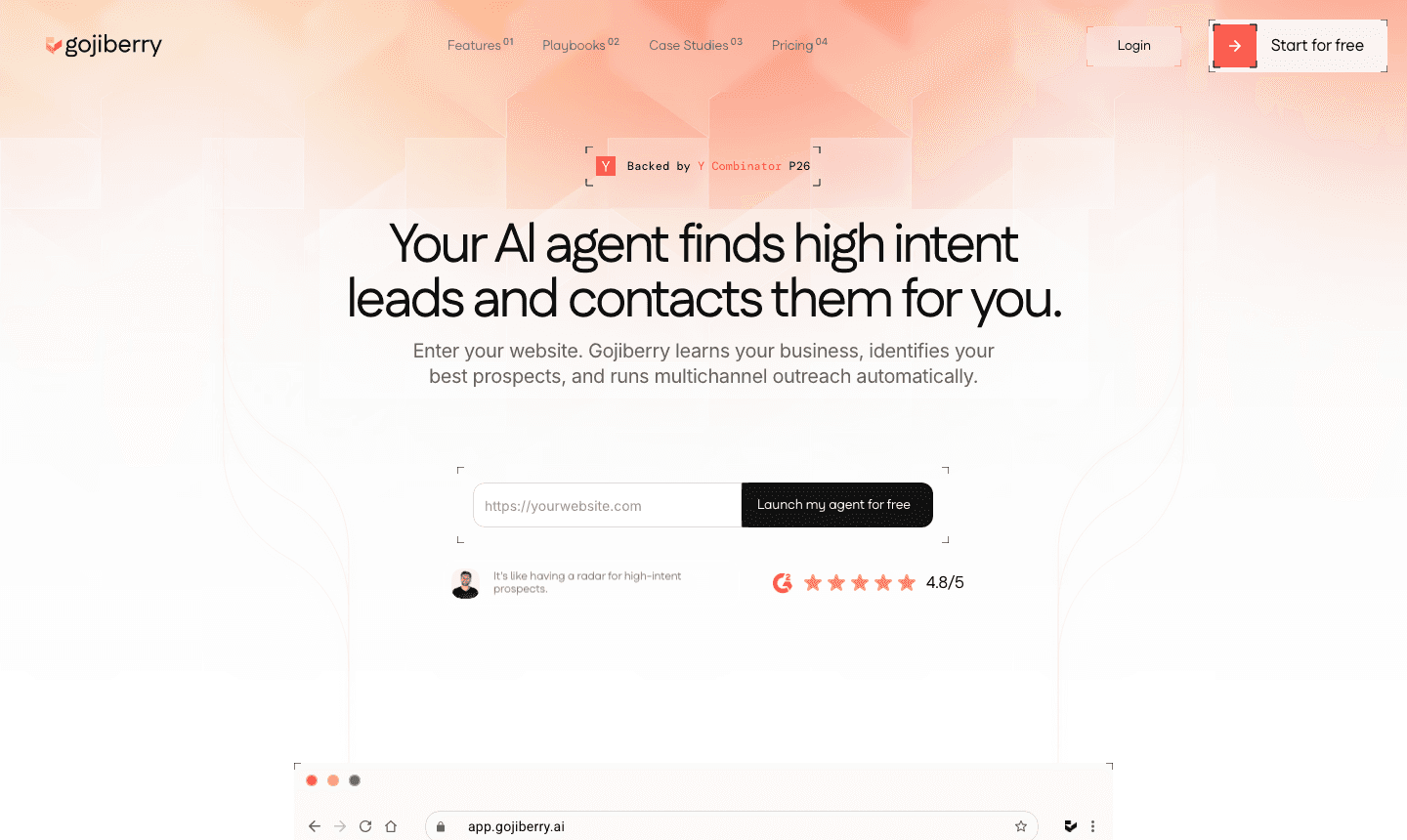
Gojiberry's pitch - intent signals driving LinkedIn outreach, 30+ signal types, email waterfall enrichment - is the modern approach. Reported pricing: Pro $99/mo (2 LinkedIn senders), Elite from $249/mo for teams, with a $1 7-day trial. The recurring critiques in public reviews: signal breadth over depth (many signal types, lighter per-prospect research), template-leaning message generation, and costs that climb with senders and add-ons.
Quick comparison
Tool | Starting price (Jul 2026) | Model | Trial |
|---|---|---|---|
Valley (us) | $149/mo (billed quarterly) | Signals → ICP scoring → per-prospect research → your voice, approve or autopilot | 7 days |
Gojiberry | Pro $99/mo; Elite from $249/mo | Signals → AI outreach, 2 senders on Pro | $1 for 7 days |
Expandi | $99/mo ($79 annual) | Lists → volume sequences, dedicated IPs | 7 days |
HeyReach | $79/mo per sender | Multi-account volume | 14 days |
Dripify | $59/mo ($39 annual) | Budget drip sequences | 7 days |
1. Valley - the signal system, deeper (our tool)
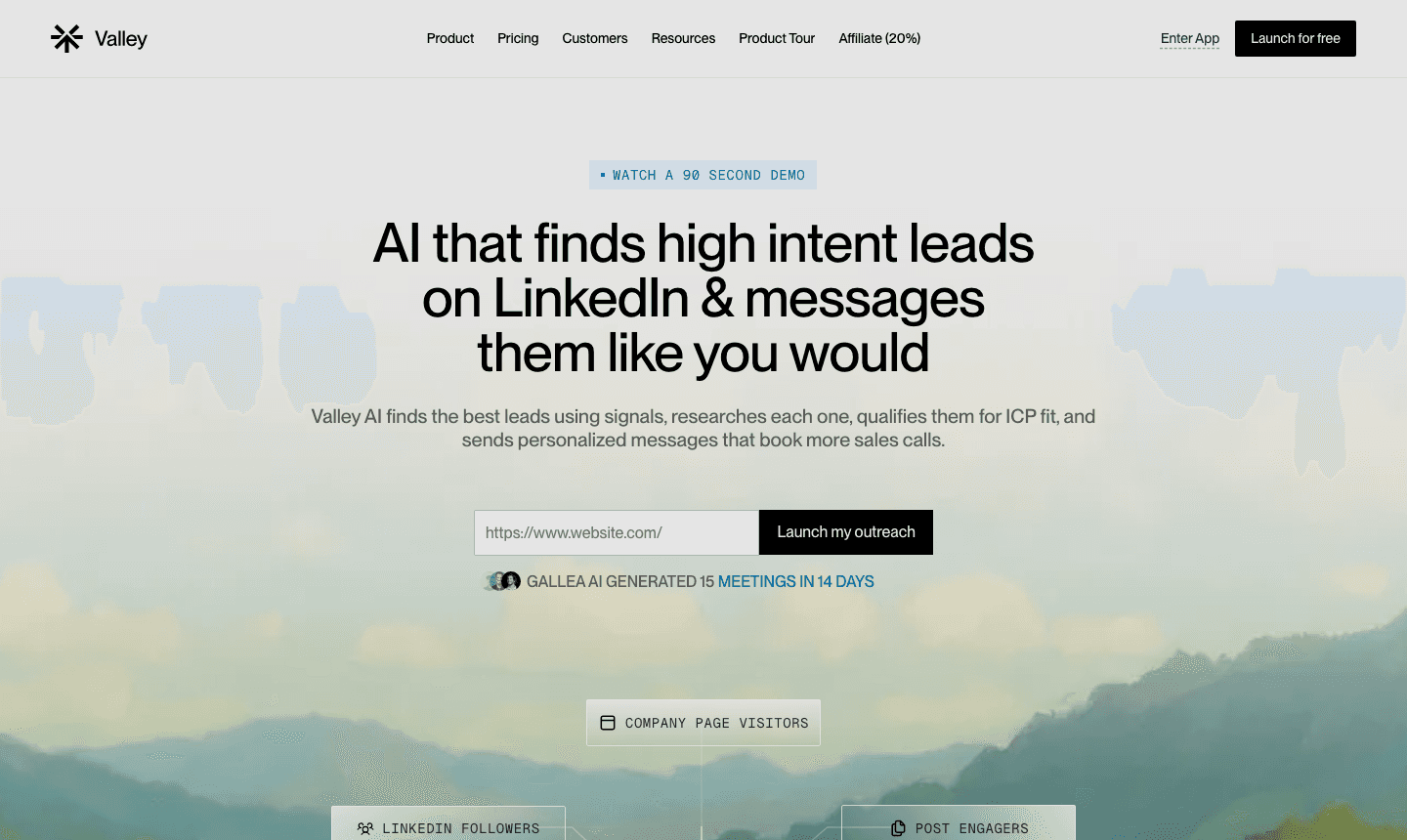
Same premise, different depth. Like Gojiberry, Valley starts from signals - profile viewers, post engagers, website visitors. The differences buyers tell us decide it: (1) research depth - Valley researches each qualified prospect individually (their posts, role, company context) and drafts in your actual writing voice, rather than signal-triggered templates; (2) control - approve every message before it sends, or run only vetted sequences on autopilot; (3) safety posture - cloud sends, dedicated IP per account, zero restrictions across 1,000+ accounts in 2.5 years, backed by a 5× money-back guarantee.
What works well: 15 - 45% reply rates on signal-based sends; ICP scoring auto-drops non-fits before outreach.
What doesn't: $149/mo billed quarterly is above Gojiberry Pro's $99; one included sender profile per account where Gojiberry Pro includes two; if you want maximum signal breadth on a checklist, Gojiberry markets more named signal types.
Verdict: pick Valley when message quality and control per signal matter more than signal count.
Keep exploring: Valley pricing, explained · real customer results.

Give your sales team
an unfair advantage.
What works well: the most mature volume sequencer - for teams that tried signal-based outreach and concluded their motion is really proven-list execution.
What doesn’t: no signal layer at all; that’s the point of leaving, know it going in.
Pricing: $99/mo ($79 annual). Verdict: the retreat to classic outbound, done safely.
3. HeyReach - agency scale
What works well: $79/mo per sender, about $40 a sender on the Agency plan ($999/mo for 25), and a unified inbox - agencies running 15 client accounts can’t ignore the math.
What doesn’t: template-first, volume-model exposure. (Details.)
4. Dripify - the budget retreat
What works well: clean drips, built-in caps, from $39/mo annual.
What doesn’t: lists + templates only - you’re giving up the signal premise entirely.
When Gojiberry is still the right choice
Genuinely: if its 30+ signal taxonomy maps to triggers that matter in your market, two senders on Pro covers your team, and $99 is the budget, Gojiberry is a modern, defensible pick - and its $1 trial makes testing nearly free. The signal-based category (them and us) beats list-based tools for most warm-motion teams; choosing between us comes down to research depth, voice control, and safety posture, which is exactly what Valley vs Gojiberry walks through head-to-head.
► If Gojiberry stopped fitting, see whether Valley does: 7 days free, every feature on
FAQ
What’s the best Gojiberry alternative in 2026? Valley ($149/mo) for deeper per-prospect research and approve-before-send control within the same signal-based category; Expandi or Dripify if you’re actually retreating to list-based sequencing.
How much does Gojiberry cost in 2026? Reported: Pro $99/mo (30+ intent signals, 2 LinkedIn senders), Elite from $249/mo for teams, $1 7-day trial. Verify on gojiberry.ai - pricing changes.
Is Gojiberry or Valley better? Same category, different weighting: Gojiberry leads with signal breadth at a lower entry price; Valley leads with per-prospect research depth, your-voice drafting, human approval, and a documented safety record (zero restrictions, 1,000+ accounts, 5× guarantee). Full comparison: Valley vs Gojiberry.
Is signal-based outreach actually better than lists? For teams with real LinkedIn presence, yes - warm signals convert at multiples of cold lists (15 - 45% replies vs ~1 - 5% in our send data). With zero presence generating signals, a list tool executes sooner.
Related: Valley vs Gojiberry · Best LinkedIn automation tools 2026 · The safest LinkedIn automation tools · Valley pricing
See also: Expandi Alternatives (2026): 7 Tools Compared · HeyReach Alternatives (2026): 5 Tools Compared · Best Dripify Alternatives (2026): 5 Tools Compared


