How to Use Valley for LinkedIn Lead Generation

Try Valley
Make LinkedIn your Greatest Revenue Channel ↓

Saniya Sood
How Does Valley Transform LinkedIn Into a Predictable Lead Generation Channel?
LinkedIn has evolved from a networking platform into the primary channel for B2B lead generation. But most sales teams struggle to generate consistent results because they lack systematic approaches to identify interested buyers, research them effectively, and start relevant conversations at scale.
Valley solves this by turning LinkedIn lead generation into a systematic process with five clear steps: listen for signals, enrich and qualify fit, highlight the right angle, reach out with context, and book meetings at peak interest.
Listen for Signals: Valley monitors your LinkedIn presence 24/7 to capture every warm lead: profile viewers, post engagers, website visitors, company page followers, and competitor post interactions. These signals indicate active research and in-market buying behavior.
Enrich and Qualify: For every signal, Valley automatically enriches company data, validates ICP fit, and scores prospects from "best fit" to "not a fit." This qualification happens instantly, eliminating manual research bottlenecks.
Highlight the Right Angle: Valley's AI analyzes why each prospect is interested—what page they visited, which post they engaged with, what challenge they're likely facing—and identifies the most relevant talking point.
Reach Out With Context: Messages reference the specific signal: "I noticed you checked out our case study on reducing SDR costs" or "Saw your comment on our post about warm outbound." This personalization drives responses.
Book at Peak Interest: Valley sends messages when prospects are most active on LinkedIn and most likely to respond, maximizing conversion from conversation to scheduled call.
This systematic approach transforms LinkedIn from an inconsistent networking channel into a predictable source of qualified leads and booked meetings.
► Book a demo and explore how Valley can support your use case
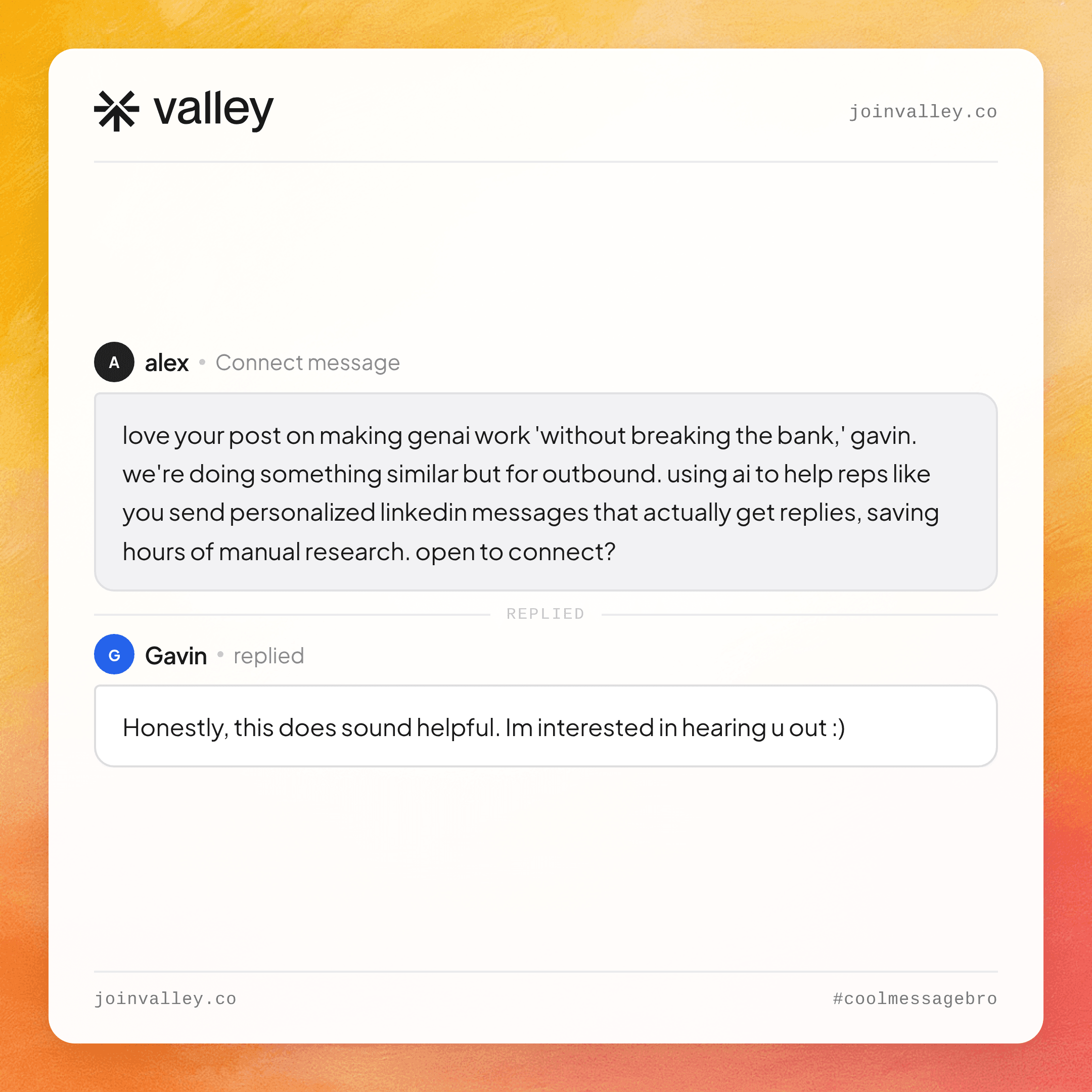
► Check Out More of Valley's Incredible Outreach: A compilation of real time messages and responses!

What Types of LinkedIn Leads Can Valley Generate?
Valley excels at generating leads already demonstrating buying intent through their LinkedIn behavior. The platform identifies and converts several distinct lead types:
Profile Viewers (Active Researchers): Someone viewing your profile three times in one week signals active solution evaluation. Valley captures these viewers, determines their role and company fit, researches why they're interested (recent funding, new initiative, team expansion), and starts conversations before they contact competitors.
Content Engagers (Topic-Interested Prospects): Prospects who like, comment on, or share your LinkedIn posts demonstrate interest in specific topics and challenges. Valley identifies high-fit engagers and references their interaction: "Your comment on our post about AI personalization resonated—seems like a challenge you're actively thinking about."
Website Visitors (Solution Evaluators): 95% of website traffic never fills out forms. Valley de-anonymizes visitors from target accounts and creates LinkedIn campaigns automatically. They already researched your product—time to start the conversation.
Company Page Followers (Brand Trackers): Following your company page indicates sustained interest in your updates and developments. Valley identifies new followers matching your ICP and engages them with relevant content or offers.
Competitor-Interested Leads (In-Market Buyers): People engaging with competitor content are actively evaluating solutions in your category. Valley scrapes competitor post engagers, qualifies ICP fit, and reaches out with differentiated positioning before competitors close them.
Each lead type represents different stages of buying intent, but all share one characteristic: they already know you exist and have demonstrated curiosity. That's the warm outbound advantage.
How Does Valley's AI Research Improve LinkedIn Lead Quality?
Generic lead generation captures contacts. Quality lead generation identifies prospects likely to convert and provides insights to start meaningful conversations. Valley's AI research capabilities dramatically improve lead quality through depth and relevance.
25+ Research Sources: Valley doesn't just scrape LinkedIn profiles. The platform analyzes company websites, news articles, press releases, blog posts, podcast appearances, funding announcements, hiring patterns, technology stack, competitor mentions, and growth metrics. This comprehensive research reveals why prospects matter and what challenges they're likely facing.
7-LLM Analysis Architecture: Valley uses seven different large language models to process research data and generate insights. This multi-model approach combines the strengths of different AI systems: one excels at company analysis, another at role-based pain point identification, another at tone matching for personalized messaging.
Automatic Pain Point Identification: Based on role, industry, company stage, and recent activity, Valley identifies likely challenges each prospect faces. A VP of Sales at a Series A SaaS company probably struggles with pipeline generation and scaling outbound. A Head of Revenue Operations likely grapples with tool consolidation and measurement challenges.
Recent Trigger Event Detection: Valley identifies recent changes that create buying urgency: new funding rounds, leadership hires, company expansion, product launches, competitive threats, or regulatory changes. These triggers provide perfect conversation hooks.
ICP Fit Reasoning: For every prospect, Valley explains why they qualify and what makes them a good fit. This transparency helps teams understand their pipeline composition and refine targeting over time.
The result? Leads that convert at higher rates because you're reaching the right people with relevant context, not just job titles and company names.
How to Set Up Valley for Maximum LinkedIn Lead Generation?
Effective lead generation requires thoughtful setup. Valley's configuration process focuses on defining your ideal targets, establishing your voice, and enabling the right signal sources.
Step 1: Define Your ICP in Valley's Product Section Create detailed buyer personas inside Valley: target industries, company sizes, job titles, seniority levels, geographic focus, and any exclusion criteria. You can create unlimited products for different ICPs or offers, allowing precise targeting across multiple segments.
Step 2: Configure Writing Style and Tone Valley learns your voice through examples of your best-performing outreach, dos and don'ts guidelines, and messaging frameworks. During the first 30 days, provide feedback on generated messages to train the AI. The more specific your guidance, the better the AI matches your voice.
Step 3: Connect Your LinkedIn Account Valley's browser extension connects your LinkedIn account securely. This connection enables signal monitoring, enrichment, and outreach execution. The platform never stores your LinkedIn password and operates within LinkedIn's API guidelines.
Step 4: Enable Signal Sources Activate the signal types most relevant to your business:
Profile viewer campaigns (highest intent—they're actively researching you)
Post engagement tracking (if you publish LinkedIn content regularly)
Website visitor identification (if you drive traffic to your site)
Company page follower monitoring (if you post company updates)
Competitor post scraping (if competitors are active on LinkedIn)
Step 5: Launch Your First Campaign Start with one signal type (profile viewers recommended) to learn the workflow. Review generated messages, approve or edit them, and observe results. Scale to additional signals and higher volumes as you gain confidence.
Most customers see first meetings booked within 72 hours of setup. The key is starting focused rather than trying to activate everything at once.

What LinkedIn Lead Generation Results Can You Expect With Valley?
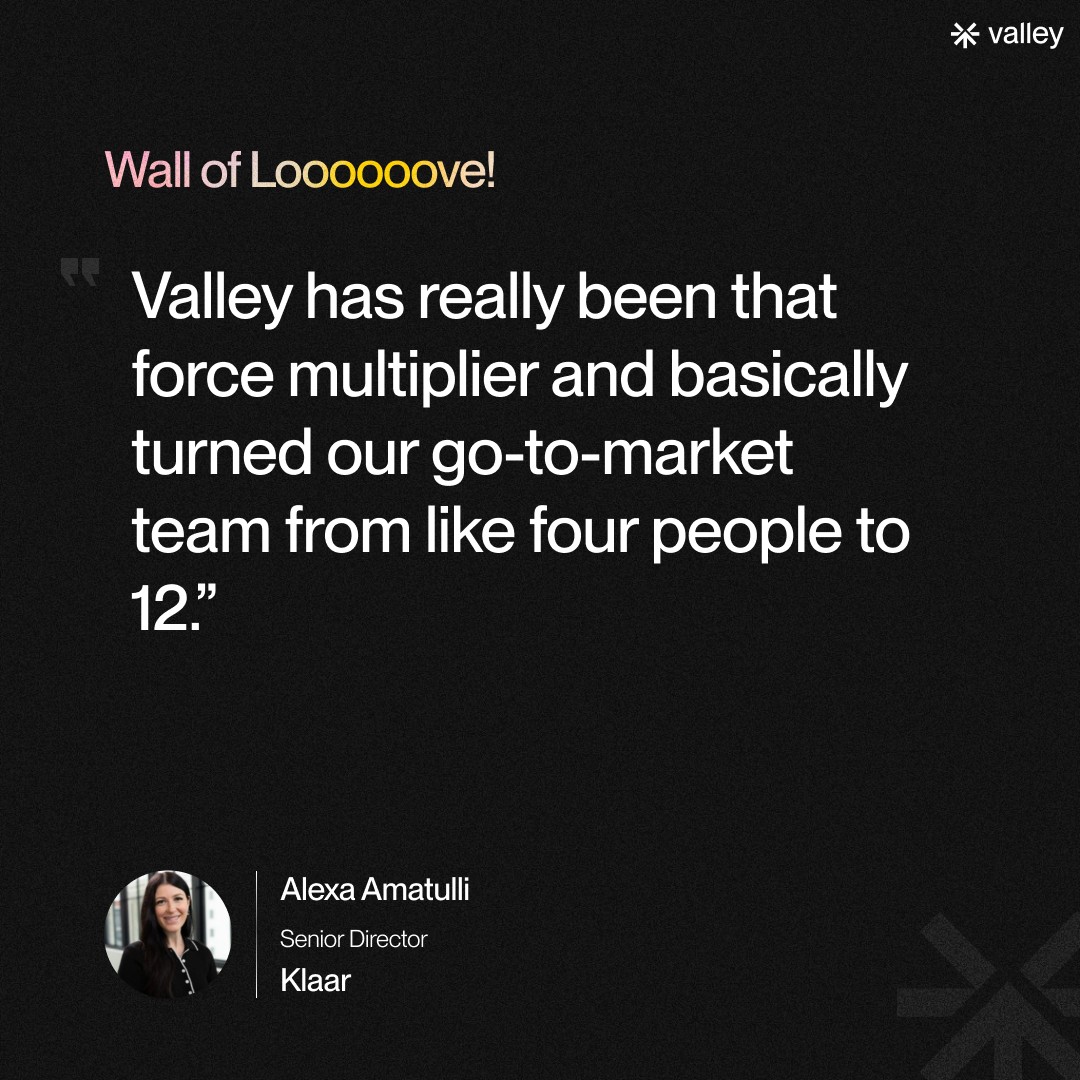
Valley customers achieve consistently strong results by focusing on warm leads rather than cold volume:
Lead Qualification Rate: 50% of captured signals qualify as ICP fit after enrichment and scoring. This dramatically reduces wasted effort compared to cold list generation where 80-90% of prospects are irrelevant.
Response Rates: 6-10% overall response rate from warm outbound, with 25-35% of responders showing positive interest. This 3-5x advantage over cold email stems from reaching people already familiar with you.
Meeting Volume: Average of 8 qualified meetings per seat per month (1-2 per week). Top performers achieve 20-25 meetings monthly by consistently creating LinkedIn content and driving engagement.
Lead-to-Meeting Conversion: Warm leads convert to meetings at 3-5% compared to 0.5-1% for cold leads. The difference compounds over time as you build a systematic warm outbound motion.
Sales Cycle Impact: Warm leads close faster because you're engaging prospects already mid-journey through their buying process. They've researched solutions independently and demonstrated interest, you're not starting from scratch.
Time Efficiency: Teams save 15+ hours weekly previously spent manually searching for leads, researching them, and writing personalized messages. Valley automates the busywork, allowing reps to focus on conversations and deal progression.
The fundamental shift: LinkedIn lead generation with Valley isn't about creating interest from nothing. It's about systematically converting the interest that already exists into booked meetings and pipeline.

Related Blogs

FEATURED READ
5 min
Valley vs HeyReach: Which LinkedIn Outreach Tool Wins More Qualified Meetings?
Read
Read

FEATURED READ
5 min
Valley in 2026: Is the Price Worth the Pipeline?
Read
Read

FEATURED READ
5 min
Valley vs Dripify: Which LinkedIn Outreach Tool Actually Converts in 2026?
Read
Read

FEATURED READ
5 min
Valley vs. Hiring an SDR: The Real Cost and ROI Breakdown for 2026
Read
Read
Which channels does Valley support?
Valley supports LinkedIn outreach, including connection requests and InMails. Valley users safely send 1000-1200 messages per seat every month.
How safe is it and does Valley risk my LinkedIn account?
Do I have to commit to an Annual Plan like other AI SDRs?
How does Valley personalize messages?
Is Valley available in my country?

VALLEY MAGIC