AI-Powered Personalization: The Key To Genuine Connections


Valley
Published:
Updated:
Published November 10, 2025 · Updated August 31, 2026
AI-powered personalization is shaking up how you connect with potential clients. It turns cold outreach into useful, human conversations at scale, and analyzes signals and context to shape messages that feel written for one person, not a list.
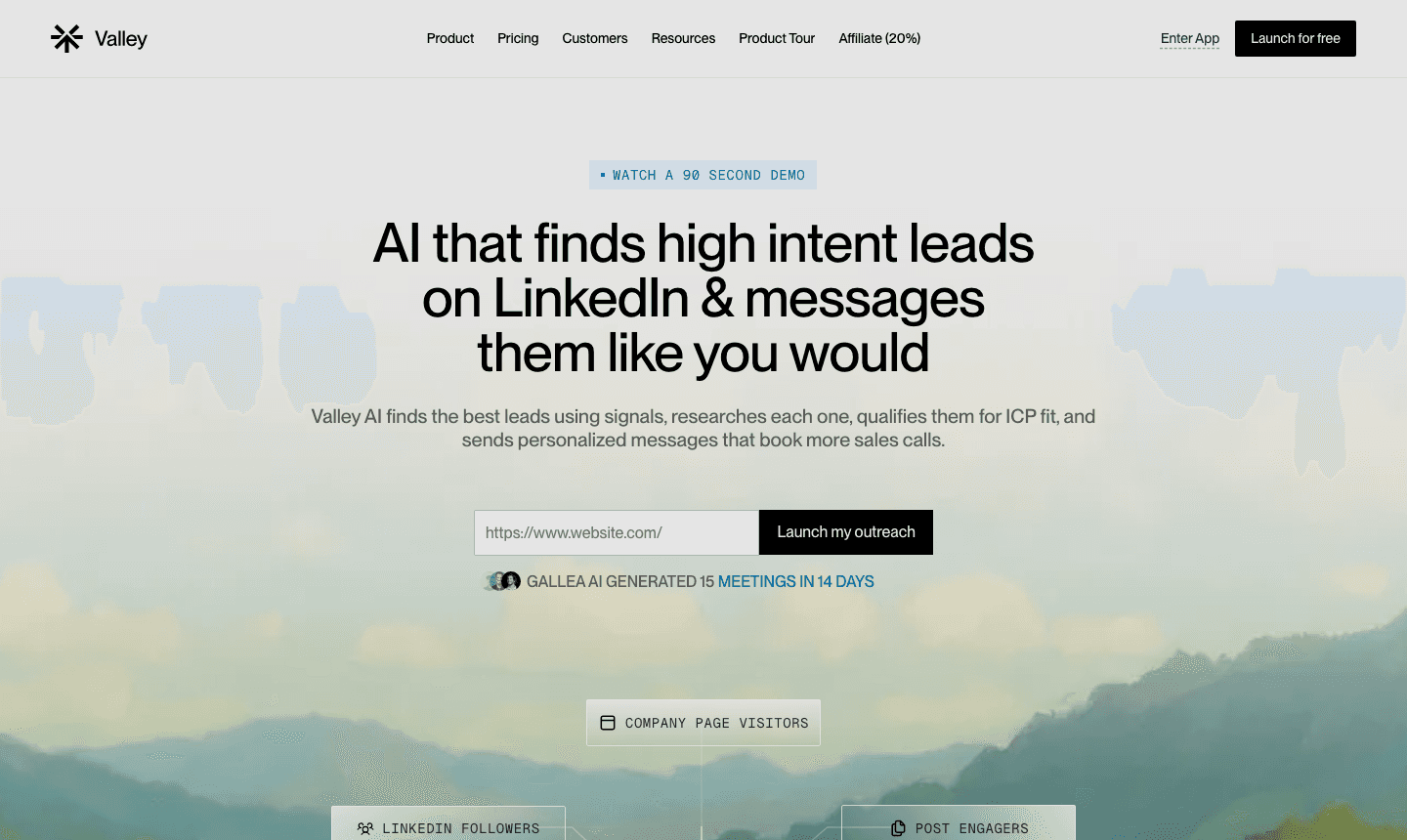
Valley applies this engine to LinkedIn, speeding research, protecting accounts, and tailoring tone. You reach more right-fit buyers, stay within platform limits, and keep every touch personal and compliant.
In this guide, you’ll see frameworks, examples, and safeguards for responsible automation that earn replies. Follow along to learn how to deploy personalization that scales without risking bans or sacrificing trust.
What Is AI-Powered Personalization?
AI-powered personalization uses data and smart tech to tailor messages and actions to each prospect. It helps your outreach feel personal and timely, without you spending hours digging through profiles. This isn’t just plugging in a name; it’s about using real insights to build connections.
Definitions and Concepts
AI-powered personalization means using artificial intelligence to look at data about each prospect and create unique messages. The tech learns from behavior signals, website visits, LinkedIn activity, company info, and crafts outreach that feels like it actually came from a human.
With AI personalization, you don’t just slap a first name on a template. You tweak the tone, content, and timing to fit each lead. Prospects notice when something’s made for them, and they’re way more likely to engage.
How AI Differs from Traditional Personalization
Traditional personalization is usually just swapping in a name or job title, you know, the basics. It’s slow, and it doesn’t scale if you’re dealing with hundreds of prospects. AI, though, automates the research and tailors your messages based on real behavior and preferences.
AI tools use algorithms to spot buying signals and customize messages so they sound natural, not like a template. Plus, they keep your outreach safe by sticking to LinkedIn’s limits, so your account doesn’t get in trouble.
Key Components of AI-Powered Personalization
Here’s what makes AI-powered personalization tick:
Data collection: AI pulls signals from LinkedIn profiles, website visits, and company data.
Intent scoring: It figures out which leads are most likely to engage.
Message crafting: AI writes personalized messages in your voice.
Automation: It follows up automatically based on how prospects respond.
A unified platform brings all this together, so you can fill your calendar with better meetings, without burning out.
Benefits of AI-Powered Personalization
AI-powered personalization helps you reach the right people at the right moment. It matches messages to each prospect’s interests and behavior, making your outreach feel less like spam and more like a conversation. You’ll see more replies and build a stronger sales pipeline.
Improved Customer Experience
When you use AI to personalize messages, your prospects actually feel like you get them. AI checks out things like job roles, company size, and recent activity to make sure your LinkedIn outreach is spot-on.
No more generic messages that get ignored. Instead, you’re sending stuff that lines up with what your prospect wants or needs. That kind of relevance builds trust fast.
A good AI system even learns your tone, so messages sound like you, not a robot. Conversations stay friendly and authentic, which makes people more likely to respond.
Increased Engagement Rates
AI personalization really bumps up how often people reply and interact. When your messages speak directly to someone, you grab attention way faster. That means more opens, more responses, and more meetings.
Smart behavior signals help pick out leads who are ready to buy, so you’re not wasting time on cold contacts. Personalized outreach feels like helpful advice, not a sales pitch.
And since automation handles the heavy lifting, you can reach more people without losing that personal touch. More relevant messages mean your engagement numbers keep climbing.
Enhanced Business Performance
AI-powered personalization can seriously help your business grow. Talking to the right prospects means you close deals faster and sharpen your sales process.
Automation can cover everything from finding leads to sending follow-ups, while keeping your voice consistent. You spend less time on grunt work and more time building real relationships.
Plus, AI cuts down on mistakes, no more off-brand or irrelevant messages. That keeps your LinkedIn account safe and your outreach steady.
How AI-Powered Personalization Works
AI-powered personalization mixes data, algorithms, and quick decisions to make messages that feel like they’re meant for each individual. It pulls info about your prospects, learns from patterns, and updates messages on the fly. This way, you connect better and save a bunch of time.
Data Collection and Analysis
Your AI tool gathers info from places like LinkedIn, websites, and past interactions. It looks at stuff like job titles, company size, recent posts, and how engaged someone is. This helps you spot who’s most likely to respond.
AI also fills in gaps you’d probably miss when doing manual research. It sorts and ranks leads by buying intent, so you can focus on high-value prospects instead of wasting time on dead ends.
Machine Learning Algorithms
Machine learning sits at the heart of AI personalization. It studies what works and what doesn’t, then tweaks its approach to get better results.
Your AI learns your tone and style, too. It writes messages that sound like you, not a bot. It adapts the language based on context and what the prospect’s signals show.
Real-Time Personalization
AI can update messages instantly as new info comes in. If a prospect visits your website or changes jobs, the AI adjusts your outreach right away.
This keeps your communication relevant and on point. It also automates follow-ups at the perfect time, so you’re not missing out on easy wins. Real-time updates help you build real connections quickly.
Popular Applications of AI-Powered Personalization
AI-powered personalization lets you tailor interactions based on user data, making every experience more relevant. You can use it in shopping, content, emails, pretty much anywhere you want better engagement and results.
E-commerce
In e-commerce, AI personalization is all about showing you stuff you’ll actually want. AI checks your browsing, what you’ve bought, and your preferences to recommend products you’re likely to buy. If you’re into running shoes, for example, you’ll see new models and gear pop up automatically.
AI also tweaks prices, discounts, and what’s in stock based on where you are and how you shop. Shopping feels quicker and more satisfying. Some sites even adjust recommendations in real time, so you’re always seeing the best options.
With the right tools, sellers can automate personalized outreach, turning browsers into buyers with messages that don’t feel canned.
Content Recommendations
For content, AI personalization helps you find articles, videos, or posts that actually interest you. It tracks what you read, watch, and share, then suggests more of what you like. You see this all the time on news sites, streaming platforms, and social media.
Your feed adapts as your tastes change, filtering out the noise. The personalized experience just gets better the more you use it.
Marketers use AI tools to automate how they deliver content, too. Targeted LinkedIn messages that match your prospect’s interests help you get more replies and build stronger relationships.
Email Marketing
AI-powered personalization in email marketing means your messages feel like they were written just for the recipient. It uses data like past opens, clicks, and purchases to tailor subject lines, content, and timing. That boosts your odds of getting noticed.
You’ll get emails that hit your exact needs or interests, product picks, special deals, or updates that actually matter. AI also sorts your list into smaller groups based on what people do, not just who they are, so messages stay relevant.
Smart systems can craft and send custom outreach that sounds real and trustworthy.
Personalization Strategies Using AI
AI-driven personalization helps you reach the right people with messages that match what they care about. You can group prospects, target them based on actions, and create content that changes depending on who’s reading. Outreach stops feeling generic.
User Segmentation
User segmentation splits your audience into groups based on things like company size, job title, or industry. AI does this fast by analyzing loads of LinkedIn profiles and site visitors.
When you sort prospects into clear groups, your messages actually speak to their needs. Outreach feels like a real conversation, not a mass email. That means more replies and better leads.
An AI engine can find high-intent users in each segment, so you focus on the ones most likely to book meetings. Segmentation also saves you time by automating who gets which message.
Behavioral Targeting
Behavioral targeting looks at what prospects do, like visiting certain pages or clicking links. AI checks these signals to spot who’s showing buying intent.
You can set triggers to send messages when someone acts a certain way. If a prospect checks out your pricing page, for instance, the AI can send a custom message about costs or value.
This keeps your outreach timely and relevant. You connect when prospects are most ready to talk, which really ups your chances of booking a meeting.
Dynamic Content Creation
Dynamic content creation means your messages change automatically based on what the AI knows. Instead of blasting the same thing to everyone, your emails or LinkedIn messages adapt to each person’s profile or behavior.
AI nails the tone and details for each prospect, learning your voice so nothing sounds forced. That builds trust and gets more engagement.
Automated follow-ups and responses keep things moving without losing the human feel. It’s a huge time-saver and boosts replies.
Challenges with AI-Powered Personalization
AI-powered personalization can boost your outreach, but it’s not all smooth sailing. You’ve got to handle sensitive data with care, navigate tricky setups, and watch for bias that could mess up your results or even your reputation.
Data Privacy Concerns
Your AI tool needs data from all over to personalize messages. That means it has to follow strict privacy rules like GDPR and CCPA. If it collects or uses personal info the wrong way, you could get penalized or banned.
You’ve got to find the sweet spot, enough data to make messages relevant, but not so much you cross privacy lines. Using AI on LinkedIn means respecting user settings and platform rules. Always make sure your AI partner encrypts data and only uses what’s needed for outreach.
Implementation Complexity
Setting up AI-powered personalization isn’t just a plug-and-play thing. You have to connect accounts, train the system, and tweak messaging until it sounds like you.
If the AI doesn’t learn your tone or target the right audience, your outreach can feel off or miss entirely. It takes time and a bit of know-how to get things running smoothly. Integrating with LinkedIn or other platforms needs technical care to avoid hiccups.
Even after launch, AI tools need regular check-ins and updates. You can’t just set it and walk away. Keeping quality high means you’ll be adjusting things as you go.
Bias and Fairness Issues
AI learns from past data, and that data can carry human biases. So, your outreach might unintentionally favor certain groups or overlook others, which can mess with fairness and diversity in your pipeline.
Bias sneaks in through message tone, targeting, and even the way responses get handled. If you let it slide, your brand’s reputation can take a hit, or you might just miss out on sales you never knew you lost.
Look for AI solutions that actually try to spot and cut down on bias, not just talk about it. Safeguards can help keep personalization ethical and balanced. Don’t just trust the system; keep an eye on AI output for any signs of unfair treatment and step in if things look off.
Future Trends in AI-Powered Personalization
AI personalization keeps getting sharper. Smarter, more connected, and able to handle big volumes without losing the personal touch. The next wave, tools that predict what people will do, pull in data from everywhere, and customize interactions at scale.
Predictive Personalization
Predictive personalization lets AI dig into your prospects’ actions before you even reach out. It checks out buyer signals like website visits, LinkedIn activity, and company changes to guess who’s actually interested.
You end up spending less time guessing and more time talking to leads who want to talk back. Timely insights help you send messages that actually fit what each prospect needs right now. It’s not magic, but it does mean better reply rates and shorter sales cycles, because your outreach finally feels relevant.
Cross-Channel Integration
Your prospects aren’t just hanging out on LinkedIn. Cross-channel integration pulls in data from email, social, and websites to build a fuller picture. This helps AI write messages that fit wherever your leads hang out.
When your channels sync, you keep things consistent: LinkedIn, email, ads, whatever. Automation can track every touchpoint so your outreach flows without you having to remember every detail. Meeting prospects where they are, that’s how you boost engagement.
Hyper-Personalization at Scale
Hyper-personalization at scale means you can send truly customized messages to thousands of people without sounding like a robot. AI tools now pick up your tone, style, and sales quirks, so every message feels like you wrote it yourself.
You get reach without losing the human touch. Adaptive personalization builds in real research, company info, and buyer signals. Prospecting stays efficient and authentic, so you book more demos and don’t waste hours.
Benefits of Hyper-Personalization at Scale:
Cuts out hours of manual research
Makes messages sound real, not canned
Lifts reply rates and helps your pipeline grow
Best Practices for Success
To get the most out of AI-powered personalization, you’ve got to keep your data accurate and up-to-date. Don’t forget to test and tweak your messaging often. These habits help you build stronger connections and boost responses.
Data Quality Management
Your AI outreach is only as good as your data. Start with clean, current info about your prospects. Get rid of duplicates and stale contacts; no point in messaging ghosts.
Pull from multiple sources to flesh out profiles, company details, job roles, and recent LinkedIn moves. Intent and engagement signals help you target the right leads.
Check your lists regularly for mistakes. Even a small cleanup can bump up reply rates and save you from chasing dead ends. Pay attention to metrics like open rates and responses. If things look weak, your data probably needs work.
Continuous Testing and Optimization
You’ve got to test to see what your audience actually likes. Mix up subject lines, personalization, and calls to action to figure out what gets replies. Set clear goals for each campaign so you know what’s working. Watch open rates, reply rates, and meeting bookings.
Try A/B testing, compare message versions side by side. It’s the best way to fine-tune your approach without guessing.
Dig into why some messages do better. Is it the tone? The timing? Smart systems can pick up on your style and tweak messages as they learn.
Keep making small changes. Regular optimization keeps your outreach fresh and helps your pipeline grow.
Make Personalization Your Sales Edge
AI-powered personalization helps you focus on the right buyers at the right time. It blends data, timing, and tone to create messages that feel relevant and human. The result is stronger reply rates, cleaner pipelines, and faster paths to revenue.
With Valley, you get safe LinkedIn automation that mirrors your voice while honoring platform rules. The system accelerates research, adapts to context, and automates follow-ups without losing the personal touch. You scale outreach while staying compliant and consistent.
Ready to turn signals into conversations that convert? Book a demo to put AI-powered personalization to work.
Frequently Asked Questions
AI-powered personalization helps you connect with users by tailoring every interaction to their preferences and behaviors. It uses data and signals to make experiences feel more relevant and personal.
How do AI personalization tools enhance user experiences in e-commerce?
AI tools check out your browsing and shopping history to suggest products you’ll probably want. They even tweak website layouts and offers in real time, making shopping feel smoother.
Personalized emails and ads help you find deals you care about, which just makes the whole experience better.
Can you provide examples of successful AI-powered personalization in the marketing sector?
Marketing teams use AI to craft messages based on what customers like and how they’ve interacted before. Sales tools can customize LinkedIn outreach so messages sound human and match your tone.
This usually bumps up reply rates and fills your calendar with meetings that matter.
What role does AI play in creating personalized customer journeys within apps?
AI watches what you do in an app and changes up the content or features it shows you. It might highlight tools you use a lot or offer tips that fit your skill level.
This keeps you interested by giving you what you actually need as you go.
In what ways has AI personalization improved engagement and retention statistics?
By serving up content and messages that matter, AI keeps users around longer. Personalized outreach means more responses and more meetings for sales teams.
Some teams have seen clear boosts, like tripling demos booked in just a few months, all from smarter, more personal messaging.
How do personalized AI chatbots differ from traditional chatbots?
Personalized AI chatbots get your context and preferences, so they answer questions in your style. They’re not just spitting out canned lines; they adapt based on your past interactions. So, conversations feel way more natural and genuinely helpful.
What constitutes AI-powered personalized learning, and how does it benefit education?
AI-powered learning tweaks lessons so they match the way you learn. It figures out what you’re good at and where you might struggle, then throws in tasks and resources tailored just for you.
Related Blogs

FEATURED READ
5 min
ZoomInfo Pricing Explained (2026): What It Actually Costs
Read
Read

FEATURED READ
5 min
Apollo Pricing and Credits Explained (2026): What You Actually Pay
Read
Read

FEATURED READ
5 min
Clay Pricing and Credits Explained (2026): The Post-March Math
Read
Read

FEATURED READ
5 min
LinkedIn Sales Navigator Cost Explained (2026): Every Tier, Real Numbers
Read
Read
Which channels does Valley support?
Valley supports LinkedIn outreach, including connection requests and InMails. Valley users safely send 1000-1200 messages per seat every month.
How safe is it and does Valley risk my LinkedIn account?
Do I have to commit to an Annual Plan like other AI SDRs?
How does Valley personalize messages?
Is Valley available in my country?

VALLEY MAGIC