

Saniya Sood
Published:
Updated:
Published October 28, 2025 · Updated August 31, 2026
TL;DR: AI automation moves B2B growth on three fronts - finding the right buyers (signals over lists), personalizing at scale (research-backed, not token-swapped), and accelerating cycles (instant follow-up, no dropped threads). Growth compounds where automation handles repetition and humans keep the conversations.
Working versions of each front: automating outreach with AI, signal-based outbound, and what an AI SDR actually is.
AI Automation For B2B Growth helps teams reach more of the right buyers with timely, relevant outreach. Smarter targeting and natural-sounding messages turn cold clicks into real conversations at scale.
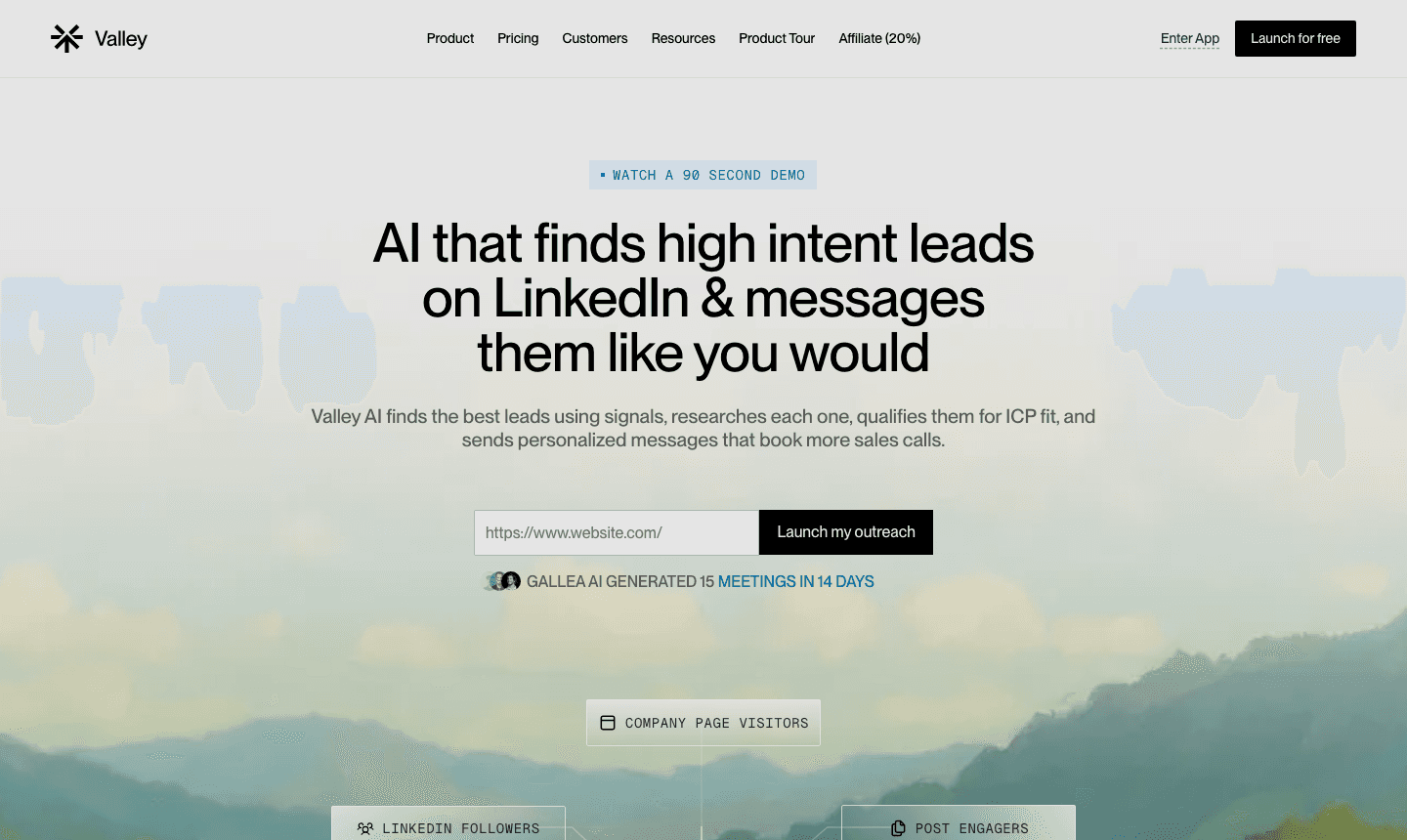
Valley unites speed, safety, and personalization, automating research and follow-ups in your voice. It respects LinkedIn guardrails, letting you scale outreach without risking account health or trust.
You’ll learn how to choose tools, read buyer signals, and personalize messages without adding busywork. We’ll also cover key metrics, safe automation habits, and pitfalls to avoid, so you can grow faster.
Scale B2B outreach without sacrificing trust or tone.
Valley automates research and follow-ups in your own voice, targeting high-intent buyers while staying within LinkedIn’s rules.
► Book 30 minutes with Zayd to see how safe AI automation drives real pipeline growth.
Understanding AI Automation in B2B Growth
AI automation is flipping the script on how you grow your B2B sales pipeline. It speeds up outreach, helps you spot the best leads, personalizes messages, and automates follow-ups - all while saving you time.
What Is AI Automation for B2B?
AI automation for B2B is basically using artificial intelligence to take care of repetitive sales tasks. Think: searching for leads, qualifying them, and sending out specific messages automatically. Instead of slogging through endless research or writing every message from scratch, AI tools do the heavy lifting.
You can reach more buyers without losing that personal touch. AI looks at buyer behavior and company info to craft outreach that’s actually relevant. Buyers don’t want spam, they want real conversations. With AI, you get more qualified chats and a better shot at closing deals.
Key Components of AI Automation
AI automation boils down to lead identification, personalization, and workflow automation.
Lead Identification: The system combs LinkedIn and other data sources to spot prospects showing buying signals.
Personalization: AI writes messages that sound like you, using details about the buyer’s company and needs.
Workflow Automation: Follow-ups and next steps get handled automatically, so you don’t lose leads in the shuffle.
B2B Growth Drivers with AI
AI speeds up outbound campaigns and boosts response rates. Automate lead research and messaging, and suddenly you’re connecting with more prospects, fast.
Better targeting and follow-up? Absolutely. AI watches for buyer signals, so you reach out when folks are actually ready to chat. Personalized outreach means more replies, more meetings. Some sales teams are seeing 20 - 25 meetings a month just from automated LinkedIn outreach.
You also cut down on manual tasks and keep things consistent. AI keeps your outreach humming along, without burning out your team. That’s how you grow, even with a lean crew.
Benefits of AI Automation for B2B Companies
AI automation makes sales smoother by boosting lead quality, personalizing interactions, and speeding up your process. You can focus on the right prospects and save time on repetitive stuff.
Enhanced Lead Generation
AI tools scan LinkedIn and other platforms to find leads that fit your ideal customer profile. You’ll get more qualified leads without extra manual effort. AI scores leads based on behavior and company data, helping you focus on those most likely to convert.
By automating outreach, you keep your pipeline full and your calendar stacked with relevant meetings.
Personalized Customer Experiences
AI makes your messages feel real, not canned. Instead of blasting out generic emails or LinkedIn notes, AI learns your tone and personalizes outreach for each prospect.
When your messages hit on what buyers care about, you get more replies and build trust faster. Prospects feel like they’re talking to a real person who gets them, not some faceless bot.
Sales Cycle Acceleration
AI takes care of routine stuff like follow-ups and scheduling, so your sales cycle moves faster. You don’t have to chase buyers or juggle research and outreach. With AI on the details, you move leads through the funnel quicker.
Implementing AI Automation Strategies
To really get value from AI automation, you need the right tools, integration with your existing setup, and buy-in from your team. Each piece makes your sales process faster and more effective.
Choosing the Right AI Tools
Pick AI tools that actually fit your sales goals and workflow. Go for platforms that do more than just automate messages, they should find and score leads, research prospects, and personalize outreach.
Make sure the tool follows LinkedIn’s rules so you don’t risk your account. Check if it integrates smoothly with your CRM and other software, too. Prioritize tools that pick up your tone so your outreach feels human, not robotic.
Integration with Existing Systems
Your AI should play nice with what you already use. Connect it to your CRM, email, and LinkedIn so data flows automatically. That way, you skip manual updates and track leads in one spot.
Look for features like lead scoring and pipeline tracking that use AI data without extra hassle. Good integration means less double work and more time for your sales team to actually sell.
Team Training and Adoption
Even the best AI is useless if your team ignores it. Train your reps on how AI helps with lead scoring and messaging. Show them how automation frees up time for real conversations.
Encourage your team to see AI as a partner, not a threat. Share wins and use feedback to tweak your process. With solid training, your team will get on board and see better results from automated outreach.
AI Automation for B2B Sales Processes
AI automation smooths out key sales tasks so you can focus on closing. It simplifies how you reach prospects and decide who’s worth your time.
Automated Outreach and Prospecting
AI tools automate LinkedIn outreach by spotting high-intent prospects. Instead of blasting generic messages, the AI personalizes each one to match your voice. That keeps your outreach authentic and gets more replies. You can send tons of specific messages fast, without hours of research.
Lead Scoring and Qualification
AI scores leads by looking at real-time data, website behavior, LinkedIn activity, company info. You can focus on prospects who might actually buy, instead of chasing every name.
Lead qualification gets way less guessy. AI ranks prospects based on interest and fit, so you can be smart about who you reach out to.
AI-Powered Marketing Automation in B2B
AI saves time and helps you reach the right prospects with messages that actually feel personal. It keeps learning what works and tweaks your campaigns for better results.
Content Personalization
You want your messages to feel like you wrote them for each person. AI tools analyze stuff like buyer signals, LinkedIn activity, and company data to tailor outreach. That means your content matches each prospect’s interests, boosting your odds of a reply.
Personalization isn’t just names, it’s tone, topics, even timing. AI can suggest when to send messages and what to mention. Such platforms automate this on LinkedIn, keeping your voice front and center. Less manual work, but still genuine.
Campaign Optimization
AI tracks your campaign performance and points out what needs fixing. It watches reply rates, acceptance rates, engagement - then tweaks messaging and targeting.
No more guessing what works. You get data-driven insights, can test message versions, and follow up based on responses. You’ll spot the hottest leads faster and book more meetings with less effort.
Data and Analytics for B2B AI Automation
Tracking sales and predicting what’s next is key if you want to grow. Using data, you see what’s working now and get ready for what’s coming. That way, you spend time on high-value prospects and keep getting better.
Real-Time Performance Tracking
Real-time tracking shows exactly how your AI automation is doing. You see open rates, replies, and meetings - right as they happen. If something’s off, you can tweak your approach on the fly.
You can even track by segment - industry, company size, whatever, to see where you’re winning. That kind of detail makes your sales automation smarter and more effective.
Predictive Analytics Applications
Predictive analytics look at past data to guess what’s coming next. By digging into buyer behavior and engagement, AI can tell you which prospects are close to buying.
So you can prioritize leads automatically, not just guess. Predictive models spot trends, too, so you know when to ramp up outreach or try new tactics.
AI platforms check out things like company growth and LinkedIn activity to predict lead quality. That lets you personalize messages before prospects even reply. In short, predictive analytics turn your data into steps that actually grow your pipeline.
Challenges and Risks of AI Automation in B2B
AI automation can be a major advantage for sales, but it’s not all smooth sailing. You’ve got to watch for data privacy issues, help your team adapt, and keep your data clean. Any of these can trip you up if you’re not paying attention.
Data Privacy and Security
Protecting your buyers’ and prospects’ data is absolutely critical. AI tools scoop up tons of info from LinkedIn and other sources. If you don’t handle that data with care, you risk privacy violations or even a breach, nothing tanks trust faster.
Make sure your automation platform actually complies with GDPR, CCPA, and whatever else applies. If you drop the ball on privacy, prospects might just bail. People want to know their info is safe, otherwise, why would they trust you?
Managing Change within Organizations
Rolling out AI automation is a pretty big shift for any sales team. Some reps might worry it’s coming for their jobs or that it’ll just make things more complicated. That kind of hesitation can really slow things down.
To make things smoother, be upfront about how AI helps rather than replaces your team. Show them how these tools handle the boring research, so reps can actually focus on closing deals. Training and support go a long way, too, nobody wants to feel lost with new tech.
Getting buy-in from sales leaders and celebrating small wins helps keep everyone motivated and on the same page.
Ensuring Data Quality
AI automation is only as good as your data. If your info is old, messy, or just plain wrong, the AI spits out junk recommendations and wastes everyone’s time. Check and clean your databases regularly.
A few best practices for keeping data in shape:
Ditch duplicates and fake contacts
Keep company and job titles updated
Double-check email and phone numbers often
When your data is solid, your automation actually delivers, and your pipeline stays healthy.
Future Trends in AI Automation for B2B Growth
AI isn’t done shaking up how you connect with prospects. New tech keeps making outreach smarter and more personal. At the same time, buyers expect faster, more relevant conversations than ever.
Emerging Technologies
AI automation is getting sharper with predictive analytics and real-time data. You’ll see more platforms rolling research, scoring, and outreach into one place. That means less grunt work and more time actually talking to prospects. Automation is also getting safer, with tools sticking to LinkedIn’s rules and protecting your accounts from bans.
Plus, AI-powered personalization is leveling up. The tech learns your tone and style, so messages feel genuinely human. That’s how you build trust and avoid the dreaded “bot” vibe in crowded inboxes.
Evolving Customer Expectations
Buyers want quick, relevant, and personalized communication. They really don’t have patience for generic spam. AI tools are helping you keep up, delivering insights based on real buyer signals.
With automation, you’re able to respond faster and follow up at just the right time. Prospects get content that actually feels handcrafted instead of robotic, which keeps conversations flowing and reply rates up.
Of course, you can’t just blast messages and ignore privacy or platform rules. Safe, ethical automation is the only way to keep growing your pipeline without risking your LinkedIn account.
Case Studies of Successful B2B AI Automation
Real talk: AI automation works when you do it right. Valley has helped sales teams spot and connect with high-intent prospects on LinkedIn. One client saw a 3× jump in booked demos in just 90 days. That’s hours saved every week on manual research and outreach.
The AI crafts personalized messages that sound like you - not a robot. This approach led to better response rates and helped build real trust with prospects. Users say their calendars fill up faster, and conversations stay authentic.
Here’s what smart automation delivered:
Benefit | Result |
Demos booked | 3× increase in 90 days |
Prospecting time saved | Up to 80% less manual work |
Pipeline growth | $100k+ attributed in 3 months |
Safety’s built in, too. The platform sticks to LinkedIn’s rules, so your accounts stay protected as you ramp up outreach. You can scale without stressing about bans.
By blending AI-powered research, scoring, and outreach, it helps you build a stronger pipeline, faster. Give it a shot, and see if your LinkedIn efforts finally turn into real meetings and revenue.
Let AI handle the busywork so your team focuses on revenue.
Valley blends personalization, compliance, and performance to create a reliable, high-intent B2B pipeline.
► See what we can do for your workflow
More qualified meetings. Less manual grind. Safe scale.
Frequently Asked Questions
AI automation saves you time, targets the right prospects, and makes decision-making smarter. It boosts sales by personalizing outreach and speeding up every step of the pipeline.
How can AI automation enhance the effectiveness of B2B sales strategies?
AI automation spots buyers who actually want to engage, so you’re not chasing dead ends. It personalizes messages to sound natural, which bumps up response rates.
You can automate follow-ups and scheduling, cutting out manual busywork and making your sales process more reliable.
What are some practical examples of AI automation driving B2B growth?
With an AI LinkedIn tool like Valley, you can pack your calendar with qualified meetings - no more endless research.
AI tools track buyer behavior, suggest talking points, and handle outreach, all while keeping each message unique.
In what ways has generative AI impacted B2B sales and marketing efficiency?
Generative AI whips up personalized content fast, from emails to LinkedIn messages. That means reps spend less time writing and reach more prospects, better.
It keeps the human feel, so your messages don’t sound like they came from a robot.
What are the best AI tools currently available for B2B sales?
The best tools combine lead research, intent scoring, and outreach. Valley’s a solid pick since it learns your tone and follows LinkedIn’s safety rules, so your account stays safe.
Look for AI platforms that handle your pipeline from start to finish and boost your reply and meeting rates.
How is AI changing the traditional B2B sales cycle and customer engagement?
AI shortens the sales cycle by flagging high-quality leads early and automating repetitive stuff, so reps can focus on closing.
You get 24/7 prospecting, keeping your pipeline moving - even when you’re not logged in.
What strategies are recommended by experts like McKinsey for integrating AI in B2B growth?
McKinsey suggests weaving AI into your current sales routines bit by bit, blending what people do best with what AI can dig up.
Try training your team to pick up AI tools that actually help them move faster and personalize without making buyers feel uneasy.
Turn AI Signals Into Real Pipeline
Modern B2B growth comes from precise targeting, timely follow-ups, and messages that feel human. Use AI to focus on high-intent buyers, measure what works, and keep volumes safe. The result is steadier throughput and fewer missed opportunities.
Valley brings research, personalization, and sequencing together while respecting LinkedIn’s rules. Your team saves time on busywork and spends more of it in actual conversations. That balance drives replies, meetings, and a predictable pipeline.
Ready to test it in your stack? Book a demo (teams of 5+) to see safe, personalized outreach in action.
Related: how Valley works.


