How AI Generates Hyper-Personalized Outreach Messages Fast


Valley
Published:
Updated:
Published December 4, 2025 · Updated August 31, 2026
Getting replies from cold outreach is tough when your messages sound like everyone else’s and take hours to write. You’re stuck between low response rates and the fear of spamming your prospects. That’s where learning how AI generates hyper-personalized outreach messages becomes a real advantage.
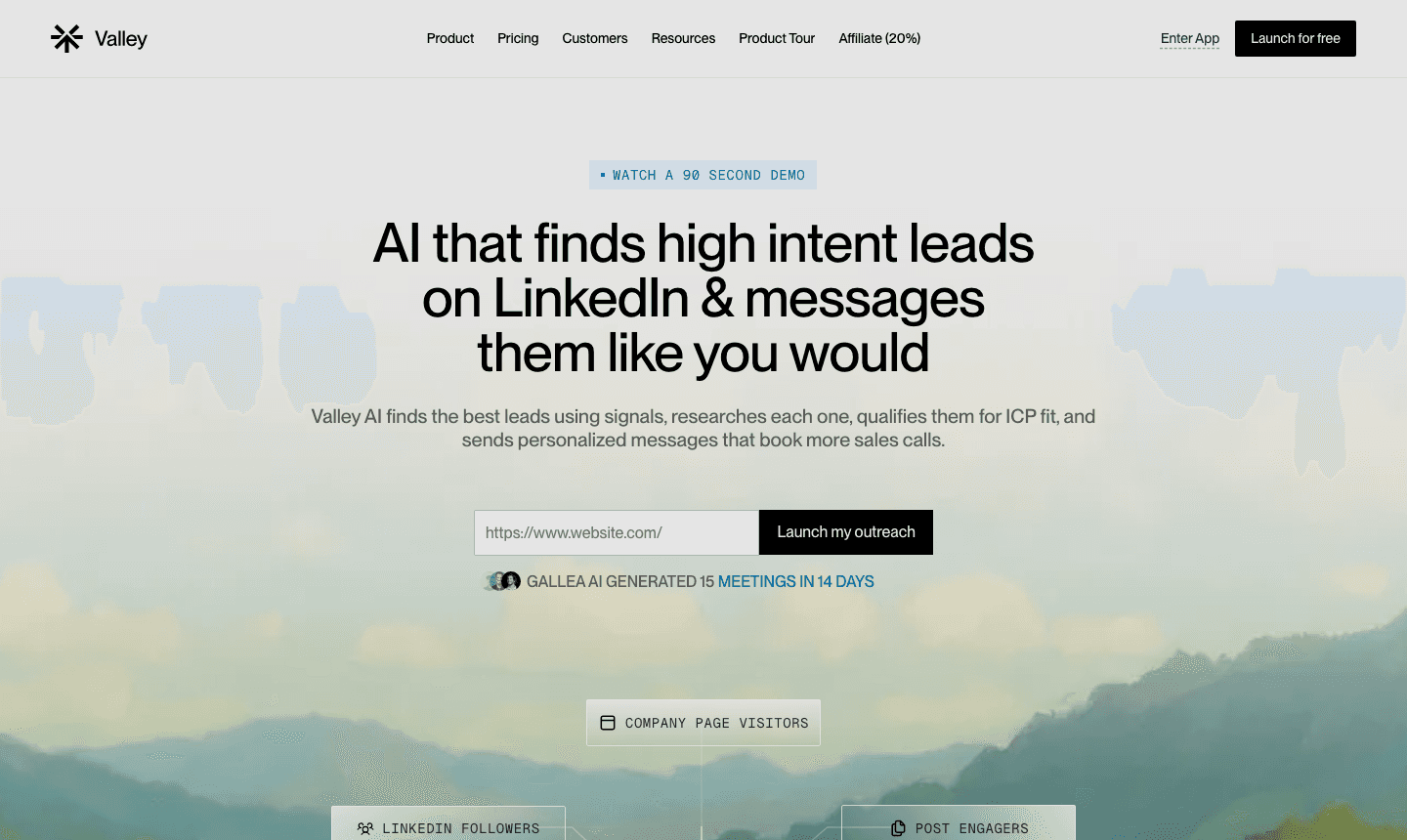
With Valley, you can safely scale outreach while keeping every message tailored to each prospect. AI handles research, timing, and tone, so you stop guessing and start sending messages that actually feel relevant and human.
In this guide, you’ll see how AI uses data, buyer signals, and smart workflows to write messages that win attention without risking your account. Keep reading to learn practical ways to boost replies, protect your time, and turn more outreach into real conversations.
What Is Hyper-Personalization in Messaging?
Hyper-personalization means you’re tailoring your messages using deep insights about a prospect’s behavior, preferences, and buying signals. Instead of leaning on tired templates, it draws on real-time data like recent LinkedIn activity, company news, or website visits.
This approach makes your outreach feel natural and thoughtful. When AI analyzes these details, it creates unique messages that match your style, which boosts your odds of getting a response.
Benefits for Outreach Campaigns
Using hyper-personalized messaging shows prospects you actually get their situation, and that alone bumps up your response rates. Instead of wasting time on generic blasts, you can focus on leads who are ready to talk.
Higher connection and reply rates
Faster meeting bookings with qualified prospects
Stronger relationships built through relevant conversations
Better use of your time by targeting high-intent leads
Seeing a 3× increase in demos booked within three months is pretty common when you use AI to power smart, personalized outreach.
Key Elements of Personalization
Successful hyper-personalized outreach relies on a few core ingredients:
Behavioral Signals: Tracking things like content views or engagement on LinkedIn.
Intent Data: Spotting prospects who are showing buying interest.
Tone Matching: AI learns your voice so your messages stay authentic and consistent.
Contextual Relevance: Mentioning recent events or challenges that matter to the prospect’s business.
Timing: Hitting send when prospects are most likely to actually see and respond.
Mixing these together makes your messaging feel like a genuine conversation, not a script. That’s how you actually build real connections.
How AI Powers Personalization
AI taps into smart technology to craft outreach messages that really connect with your prospects. It studies patterns, understands language, and pulls insights from a bunch of sources to make each message fit the person it’s sent to.
Role of Machine Learning in Custom Messaging
Machine learning lets AI learn from data about your prospects’ behavior, interests, and past interactions. It spots patterns, like when someone is most active on LinkedIn or what topics get them talking.
This means AI can craft messages that feel like they were written just for that lead. As you use a tool more, machine learning keeps improving by seeing which messages get replies and which flop. That feedback loop helps AI send smarter, personalized outreach that feels less like a robot and more like a real person.
You save time because you don’t have to write every message from scratch, but you still sound genuine. That’s a huge win.
Natural Language Processing for Personal Relevance
Natural language processing (NLP) gives AI the ability to understand what’s really being said and how. It helps generate messages that match your style and sound like an actual human, not a bot.
NLP breaks down complex sentences to find context, sentiment, and intent so your outreach feels relevant. For example, NLP can tweak the wording based on the prospect’s industry or role, sidestepping generic phrases and making responses flow like a real conversation. This definitely boosts your chances of getting meaningful replies.
Data Aggregation and Analysis
AI pulls data from all over to build a full picture of each contact. This includes LinkedIn activity, website visits, company info, and buying signals.
By collecting and analyzing this data in real time, AI knows when to reach out and what topics to focus on. Your messages aren’t just shots in the dark. They are based on signals that show a prospect’s current interest or need.
Data Sources Used in AI Outreach
To create outreach messages that feel personal and relevant, AI tools pull data from several key sources. These include who your customer is, what they do online, and how they behave.
Customer Demographics
Customer demographics give AI details like job title, company size, industry, and location. These facts help tailor messages to fit your prospect’s business role and environment.
For example, if you know a prospect is a marketing manager at a tech startup in San Francisco, you can approach them differently than you would a CFO at a Fortune 500. Demographic data helps your outreach match the right audience so your messages aren’t just generic spam but actually fit each prospect’s background.
Behavioral Insights
Behavioral insights come from tracking how prospects interact with your content or website. This includes what pages they visit, emails they open, and links they click.
These signals show where they are in their buying journey. By understanding behavior, AI can time your messages perfectly and highlight topics that matter to your prospect.
Social Media Activity
Social media activity covers the posts, comments, and shares your prospects make, especially on LinkedIn. This data reveals their current challenges, interests, and professional connections.
AI analyzes this information to create outreach that speaks directly to your prospect’s recent work or ideas, helping you cut through the noise with relevant, thoughtful communication.
Personalization Strategies Enabled by AI
AI helps you send outreach messages that actually land by using smart methods. It finds the right audience, creates content that fits each prospect, and figures out the best time and place to reach them.
Segmentation and Target Audience Identification
AI looks at tons of data points like job title, company size, and behavior to group your prospects. This helps you focus on leads who are most likely to respond.
Instead of guessing, AI spots buyer signals and business patterns to target high-intent prospects. Clear segmentation saves you hours of manual work and increases your chances of booking demos.
Dynamic Content Generation
AI crafts messages based on each prospect’s profile and interaction history. It adapts your tone and style so the outreach feels personal, not robotic.
Dynamic content means adjusting greetings, pain points, and value propositions to fit each recipient exactly. This helps you avoid generic templates and makes every message feel like it was actually handcrafted, which really bumps up reply rates.
Optimizing Timing and Channel
AI figures out when your prospect is most likely to read and respond to messages. It schedules outreach based on time zones, past activity, and platform preferences.
This way, your outreach lands at the right moment on the right channel. Timing is everything if you want to turn outreach into real conversations.
Challenges and Considerations
When you use AI to create hyper-personalized outreach messages, you’ve got to watch out for a few things. Protecting data, keeping messages genuine, and balancing personalization are all key if you want to do this right.
Data Privacy Concerns
Your outreach messages depend on gathering information about prospects. This means handling sensitive data like job titles, company details, and sometimes even personal interests.
You have to follow privacy laws like GDPR or CCPA to avoid legal headaches. Using AI tools that respect these rules is critical. Always let prospects know how you use their data and give them control when possible.
Data privacy isn’t just about compliance; it’s about trust. If people feel like you’re misusing their info, they’re way less likely to respond. So, keep your data use transparent and secure if you care about your reputation.
Avoiding Over-Personalization
Personalization helps your message stand out, but there’s a line. Overdoing it by including details that feel too intimate or invasive just makes people uncomfortable.
Stick to relevant and professional details instead of digging into personal stuff. For example:
Reference a prospect’s business role, recent company news, or shared connections.
Skip personal hobbies unless they’re clearly public and totally appropriate for the message.
The best AI tools learn to balance this by focusing on professional signals and steering clear of privacy lines. You want your message to feel thoughtful, not creepy.
Keep it focused on how you can actually help the prospect solve a problem or add value right now, not in some vague future.
Ensuring Message Authenticity
One of the trickiest things about using AI is making your messages sound real. Automated outreach often comes off as stiff or generic, which can push people away.
Your outreach really needs to reflect your actual voice and feel like a genuine conversation. Otherwise, what's the point?
To keep things authentic:
Look over AI-generated messages before you send them.
Change up key points so they match your own insights and quirks.
Don't overdo it with templates or repetitive language.
When your messages feel authentic, people notice, and they're way more likely to reply. Prospects want to feel like they're chatting with a real person who knows their stuff, not some faceless bot.
Real-World Applications of AI-Driven Outreach
AI-powered outreach helps you reach the right people at the right moment. It saves you time and boosts response rates by sending messages that actually feel personal and relevant.
Sales and Lead Generation
AI tools scan signals like online behavior and company news to spot prospects who might actually care. That way, you focus on leads who are ready to have a real conversation.
Your outreach can mention specific triggers so your messages feel more thoughtful and less like cold calls.
Key benefits include:
Automatically spotting high-intent prospects
Personalizing messages using recent updates or interactions
Cutting down on research and manual outreach time
Customer Retention Efforts
AI-driven outreach keeps your current customers engaged by sending messages that are timely and relevant. It pays attention to things like contract renewals, product usage, or support requests so your communication actually makes sense.
You can remind customers about upgrades, check in on their satisfaction, or offer help when it matters. This helps you build stronger relationships and keeps churn rates down because your messages feel genuinely helpful.
Automating these touches still lets you keep things personal so you can focus more on solving problems and building loyalty.
Event and Product Announcements
AI can help you get more people to show up for events or pay attention to product launches. Instead of spamming everyone, it segments your contacts based on what they care about or have done before.
Your outreach can highlight exactly why the announcement matters to each person. Maybe it mentions features that solve a pain point or invites top prospects to something exclusive.
This approach bumps up open rates and event sign-ups, making your outreach less annoying and more effective. You can also schedule follow-ups automatically to keep leads interested after the event.
Future Trends in AI Outreach Personalization
AI outreach keeps getting smarter and more natural, and it's connecting across more platforms. You'll see tools automate deeper research, use your own voice, and reach prospects way beyond just LinkedIn messages.
Increasing Use of Generative AI
Generative AI is finally starting to write messages that actually sound like you. Instead of copying and pasting templates, it learns your tone and style so every message feels like you crafted it for that person.
You’ll also get AI that gathers richer context, like recent company news or personal interests, to make messages connect on a deeper level. With generative AI, personalization will move way beyond just using names and titles.
Messages will adapt in real time as new info comes in, which should make booking sales calls a whole lot easier and with way less manual effort.
Integration With Voice Assistants
Voice assistants are going to play a much bigger role in outreach soon. Imagine just telling your smart assistant to draft follow-ups after a call or having it read replies out loud while you’re busy with something else.
Some tools might let you use voice commands to schedule meetings or update your CRM straight from a conversation. That means less jumping between apps or typing things out.
Voice-based tools could even analyze your tone and suggest tweaks so your messages keep that natural flow that builds trust. Using voice assistants in outreach might make the whole process feel more conversational and maybe even a bit more fun.
Expanding Multichannel Capabilities
You won’t just rely on LinkedIn anymore. AI outreach will mix in emails, texts, and even social posts to reach people where they're actually active.
By working across channels, AI can boost your response rates and build awareness faster. Multichannel outreach will also use smart data to avoid spamming and keep your communication safe so you don’t get flagged or blocked.
Best Practices for Effective AI Outreach
To make AI outreach actually work, start with real personalization. Use the data AI finds to tailor messages that fit each prospect’s interests and needs. Skip the generic templates and let the AI pick up your tone and style so messages sound like you.
Timing really matters. Try to send your outreach when prospects are most active on LinkedIn. Some AI tools analyze behavioral signals to pick the best moment so you get more responses without spamming people.
Keep your messages short and to the point. Most professionals skim through tons of messages every day, so use bullet points or bold text to highlight the important stuff.
Don’t forget about safety. Always follow LinkedIn’s rules to avoid bans or restrictions. Good AI platforms will automate your outreach but still respect daily activity limits.
Check your results regularly. Watch response rates, open messages, and meetings booked. Use what you learn to tweak your messaging and targeting. AI gets smarter as you give it feedback.
Here’s a quick checklist to keep handy:
Send hyper-personalized messages that sound like you.
Reach out at peak times based on buyer signals.
Keep things concise and readable.
Automate safely within platform limits.
Review your metrics and adjust as needed.
From Missed Replies To Meaningful Conversations
When you understand how AI generates hyper-personalized outreach messages, you stop wasting time on generic sequences that prospects ignore. You turn scattered data, weak replies, and manual research into focused conversations that feel relevant to each buyer.
With Valley, you automate research, timing, and tone so every touch feels personal without risking spammy volume or burnout. You keep your voice, stay within platform limits, and finally get outreach that works at scale instead of fighting constant friction.
If you’re tired of low reply rates and hours lost writing cold messages, it’s time to try a safer, smarter workflow. Book a demo (teams of 5+) to see AI write your next outreach sequence and turn more cold prospects into qualified meetings.
Frequently Asked Questions
How does AI generate hyper-personalized outreach messages?
AI combines behavior, firmographic data, and buyer signals to shape each message. It analyzes activity like profile views, content engagement, and website visits, then matches that context to your offer. The result is outreach that feels relevant to what the prospect is actually doing right now, not a random cold pitch.
What data does AI use to personalize my outreach?
AI typically pulls from demographics, behavioral data, and social activity. That can include job title, company size, industry, content they engage with, and pages they visit on your site. By blending these signals, AI can highlight the right pain points and use language that fits each prospect’s role and priorities.
Can AI help me find the best time to send outreach messages?
Yes. AI can track when prospects open messages, click links, or engage on platforms like LinkedIn. Over time, it spots patterns and recommends or automatically schedules sends at those high-engagement windows. This timing boost makes it more likely your hyper-personalized outreach is actually seen and answered.
How do I keep AI-generated messages from sounding robotic?
Start by training AI on your voice, examples, and approved templates. Then always review and lightly edit key messages before sending. Short, clear sentences, natural phrasing, and one focused call to action per message help your outreach sound human while still taking advantage of AI speed.
Is using AI for outreach safe and compliant?
It can be, as long as you respect privacy laws and platform rules. Make sure you only use data you’re allowed to process and stay within activity limits to avoid spam flags. Be transparent about how you use data when needed, and avoid creeping prospects out with overly personal details.
When should I avoid too much personalization in AI outreach?
Skip hyper-specific details that feel private, sensitive, or unrelated to work. If a detail would surprise you coming from a stranger, it probably crosses the line. Keep AI personalization focused on public, professional signals like role, company news, and business challenges so messages feel relevant, not invasive.
Related Blogs

FEATURED READ
5 min
ZoomInfo Pricing Explained (2026): What It Actually Costs
Read
Read

FEATURED READ
5 min
Apollo Pricing and Credits Explained (2026): What You Actually Pay
Read
Read

FEATURED READ
5 min
Clay Pricing and Credits Explained (2026): The Post-March Math
Read
Read

FEATURED READ
5 min
LinkedIn Sales Navigator Cost Explained (2026): Every Tier, Real Numbers
Read
Read
Which channels does Valley support?
Valley supports LinkedIn outreach, including connection requests and InMails. Valley users safely send 1000-1200 messages per seat every month.
How safe is it and does Valley risk my LinkedIn account?
Do I have to commit to an Annual Plan like other AI SDRs?
How does Valley personalize messages?
Is Valley available in my country?

VALLEY MAGIC