

Valley
Published:
Updated:
Published November 14, 2025 · Updated August 31, 2026
Learning how to combine AI and intent data for prospecting turns signals into timely outreach. AI surfaces patterns in real buyer behavior, while intent data shows who is actively researching. Together, they align targeting, timing, and messaging, raising reply rates and booked meetings.
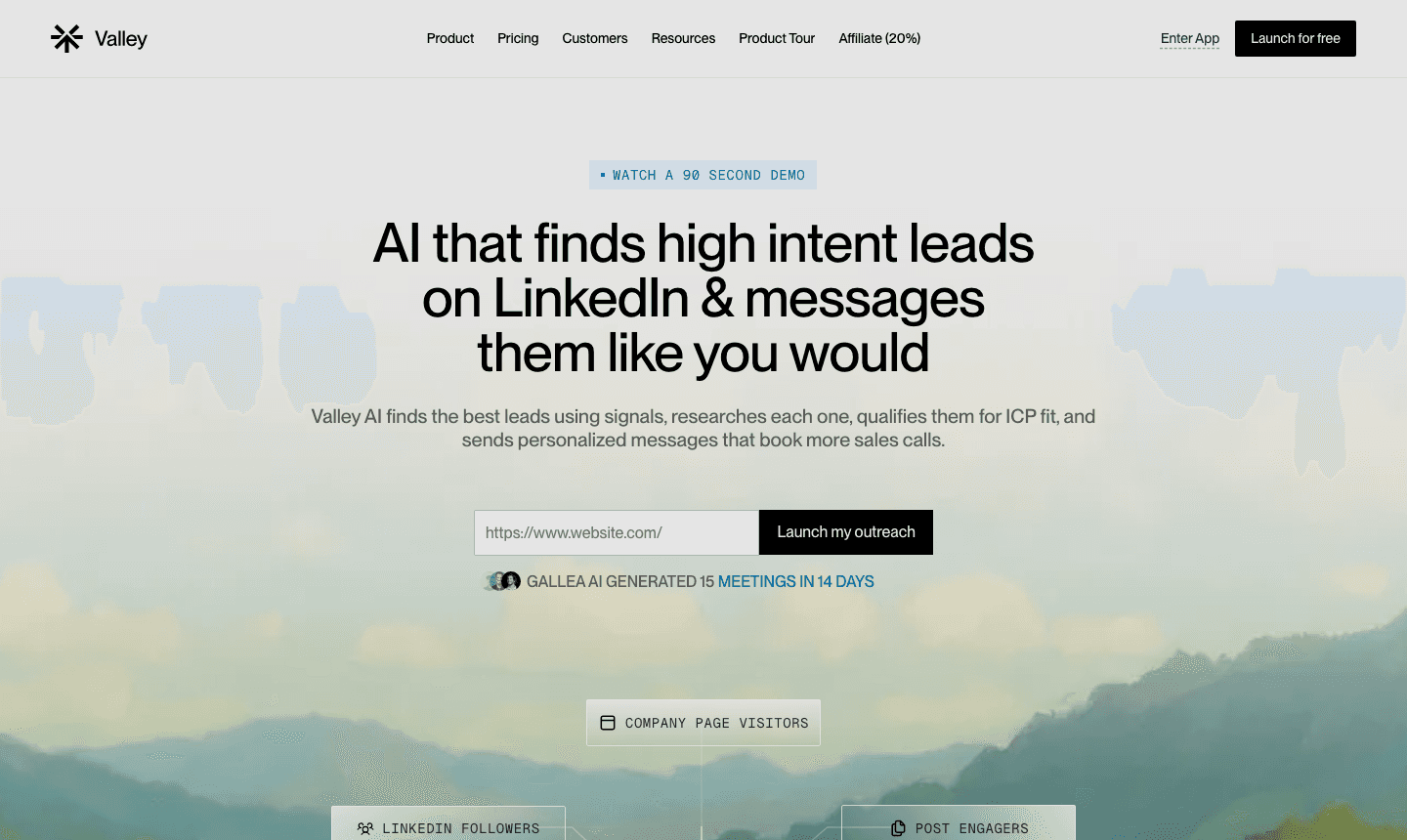
With Valley, teams run faster, safer workflows that personalize at scale and stay compliant. The platform scores interest, enriches profiles, and drafts human-sounding messages you can review. You save research time, protect accounts, and focus on conversations that move deals forward.
In this guide, you will map signals, integrate data, and build scoring that fits your ICP and goals. You will see sample workflows for segmentation, triggers, and copy that feels authentic and relevant. If you want efficient, human outreach powered by real intent, keep reading and put it to work.
Understanding AI-Powered Prospecting
AI in prospecting helps you find leads faster and reach out in a way that feels real. It picks up on behaviors that signal buying interest and keeps your messages from sounding stale. Like any tool, AI isn’t magic; there are limits and risks to watch.
Key Benefits of Using AI for Prospecting
AI saves time by automating routine tasks like lead research and outreach. It quickly scans data to identify leads showing high intent, such as people visiting your site or engaging on LinkedIn. Less guessing, more conversations with real prospects.
Personalization at scale is a major win. AI can craft messages that match your tone and style, so outreach feels genuine and relevant.
AI tools track what’s working. You see which leads engage and tweak your approach. That means more meetings and a healthier pipeline.
AI Algorithms in Lead Identification
AI digs through data to spot prospects most likely to buy. It blends signals from LinkedIn, web visits, and firmographics to create lead scores, helping you focus on the right people.
Machine learning improves over time, learning from past interactions. When certain behaviors lead to demos, AI flags similar prospects sooner. Your list gets sharper, so you don’t waste time.
These algorithms also filter out poor-fit contacts. Instead of blasting messages, you target buyers who care, raising the odds of a real conversation.
Challenges and Risks of AI in Sales Prospecting
AI is great, but bad or outdated data hurts results. Keep your data fresh. Another pitfall is losing the human touch. If messages sound robotic, people tune out. Choose tools that keep automation safe and human, learn your voice, and follow LinkedIn’s rules.
AI can be overwhelmed with data. Focus on signals that matter and avoid analysis paralysis. Balance AI insights with your judgment.
What Is Intent Data?
Intent data shows when buyers are actively researching products or services like yours. It helps you spot who is ready to buy, so you can aim outreach at the right people with the right message. Here’s a quick look at types, sources, and quality factors for anyone asking how to combine AI and intent data for prospecting.
Types of Intent Data
Two main types: first-party and third-party.
First-party intent comes from your channels: website visits, opened emails, content downloads, and webinar sign-ups. It shows who is engaging with your brand.
Third-party intent comes from outside sources, such as sites or platforms that track buyer behavior across the web. It reveals prospects researching your product category, even if they haven’t found you yet.
Both types reveal signals like repeat visits, time on page, or searches for specific terms. Use this variety to find high-interest leads and tailor outreach to current needs.
Sources of Buying Intent Signals
Website activity: pages visited, time spent, demo requests.
Content engagement: downloads, video views, whitepaper reads.
Search behavior: keywords on search engines or LinkedIn.
Social activity: likes, comments, group participation.
Third-party providers: platforms collecting behavior across sites.
Scanning these signals across LinkedIn and other sources helps find real interest and shape what to say next.
Intent Data Accuracy Considerations
Intent data is useful, but not perfect. Keep in mind:
Signal relevance: tie signals to your market or get noise.
Data freshness: intent changes quickly; use real-time data.
Volume vs. quality: quality beats volume.
Context: mix intent with firmographics and past engagement.
Filtering intent data gives clearer targets, so you avoid chasing ghosts and still catch real buyers.
Integrating AI With Intent Data
Combine AI with intent data to build a smarter system for finding and reaching the right prospects. Tools gather buying signals, then AI analyzes and acts quickly. You cut guesswork and deliver personalized messages at the right time.
Workflow for Data Integration
Collect intent data from LinkedIn, your site, and firmographics. This raw data shows behaviors that hint at buying readiness.
Send the data to an AI platform that cleans, organizes, and scores leads by intent. The AI flags strong signals so you spend time where it counts.
Connect the system to your outreach tool to automate messaging. Every prospect gets timely, relevant, personal contact without manual effort.
Data Enrichment With AI
AI enriches intent data by adding context like company size, role, and funding. This depth helps you write messages that matter. AI tracks changing behaviors and updates scores on the fly. Your list stays fresh, not stale.
Using AI for enrichment is a time-saver. It cuts hours of research and delivers fuller profiles for sharper outreach.
AI Tools for Intent Data Analysis
AI digs through intent data, spotting patterns and predicting buying signals faster than humans. It flags when a prospect nears a decision.
Look for features like auto lead scoring, signal prioritization, and message optimization. Some tools test outreach styles to see what gets the best response. With the right AI, you scale personalization and keep the human touch that builds trust and wins replies.
Building a Prospecting Strategy With AI and Intent Data
A strong approach finds the right prospects, groups them well, and scores leads by behavior. AI plus intent data automates steps while keeping outreach personal and timely.
Identifying High-Value Prospects
High-value prospects show real interest. AI scans LinkedIn, web behavior, and firmographics to catch buying signals as they happen. Zero in on behaviors like recent searches, content engagement, and company growth.
Avoid chasing cold leads. AI can flag these prospects and keep your list updated, so you reach out at the right time.
Segmentation Strategies
After finding prospects, segment by industry, size, and engagement. Intent adds a layer by grouping buyers by journey stage.
Separate early researchers from ready-to-talk prospects. Tailor messages to each group to keep outreach relevant.
Try segments like:
High intent, ready to buy
Mid intent, evaluating options
Low intent, early research
With AI, automate segmentation and adjust as behaviors change.
Lead Scoring Models
Lead scoring ranks prospects by value and intent. Combine basics like title and company size with intent signals that AI finds.
Give points for:
Pricing page visits
Content downloads
Engaging with LinkedIn posts
AI learns which actions predict sales in your market. Models update so you focus on likely converters and work smarter.
Personalizing Outreach Using Combined Data
To boost responses, use data that shows who is likely to buy, then tailor messages to interests and context. Craft messages from what you know, time them right, and react fast when someone shows interest.
Tailored Messaging Based on Intent
Combining AI with intent data lets you create personal, relevant messages. Intent reveals what a lead is searching or clicking. Use that to address specific needs or pain points.
If someone studies your product features, reference those directly. This level of personalization raises reply rates and keeps messages natural, not canned.
Optimizing Email Campaigns
Email works best when you segment by intent. Group prospects by buying stage or interests, and send emails that fit each group.
With AI, you can test subject lines, lengths, and calls to action to see what works. Schedule emails when prospects are active. Save time and focus on high-value leads.
Real-Time Engagement Triggers
Jumping on interest quickly changes outcomes. Real-time triggers alert you when a lead visits a page, clicks a link, or interacts with a message.
These are the best moments to reach out with something personal. AI watches actions and tells you when to move, helping you book more meetings at the perfect moment.
Measuring Success and Refining Processes
Track results and adjust your approach to keep outreach sharp. Measure clear data points and test messages often to lift conversion rates.
Key Performance Indicators for Prospecting
Focus on metrics that show targeting and engagement quality:
Response rate: share of prospects who reply.
Meeting acceptance rate: invites that become calls.
Lead qualification rate: leads matching your ICP.
Conversion rate: leads becoming customers.
Time spent on outreach: hours saved with automation.
Watch these KPIs to see what works. If acceptance is low, tweak messaging. Good tooling tracks this so you stay on the big picture.
A/B Testing With AI Insights
Test message versions to learn what resonates. AI makes it easier to see which words or offers get responses.
Start with two versions, change a subject line or CTA, and send to samples. Let AI track results and suggest tweaks. Some tools personalize test messages so they still sound like you.
Regular A/B testing plus AI insights sharpens scripts and timing. Over time, campaigns get smarter with fewer guesses.
Future Trends in AI and Intent Data for Prospecting
AI and intent data are evolving fast, making prospecting smarter. The tech is improving at finding and connecting with buyers, while raising privacy and ethics bars.
Emerging Technologies
Expect AI to get sharper at real-time tracking and predictive analytics. You will spot leads ready to buy by signals like downloads or LinkedIn activity. Unified platforms will bundle research, scoring, and personalized outreach, adapting messages to behavior and preferences.
Voice and video AI may add personal touches beyond text, helping build trust faster.
Ethical Considerations
When using AI and intent data, respect privacy and platform rules. Automated tools that blast messages can risk bans or annoy people.
Outreach should feel human, not spammy. Choose solutions that learn your tone, keep messages authentic, and protect your account. Be transparent about data use and deliver value first to build lasting trust.
From Intent Signals To Revenue Outcomes
Combining AI with intent data aligns targeting, timing, and message relevance. You cut guesswork, focus on accounts that are actually shopping, and turn faster responses into meetings.
With Valley, you operationalize how to combine AI and intent data for prospecting across LinkedIn. The platform enriches records, scores readiness, and triggers human-sounding outreach while respecting platform limits.
Teams save research hours, protect deliverability, and convert interest into booked calls. Ready to turn signals into scheduled meetings? Book a demo (teams of 5+) to see your data in action.
Frequently Asked Questions
How to Combine AI and Intent Data for Prospecting can lift results by targeting high-potential leads and automating outreach that feels personal. Below are strategies, tools, and scoring tips.
What strategies can I use to integrate AI in sales prospecting effectively?
Define your ideal customer profile first. Use AI to watch LinkedIn activity, content downloads, or sign-ups. Automate research and messaging, but keep communication authentic. Reach out across the channels your buyers use.
Can you suggest ways to leverage intent data for more targeted prospecting?
Watch for signals that show real interest, such as website visits or LinkedIn interactions. Focus on leads ready to buy. Mix intent with company size and industry to make outreach more relevant.
How does artificial intelligence improve lead scoring and prioritization?
AI sifts data and ranks leads by conversion likelihood. It weighs real-time behaviors, engagement, and history. You zero in on high-value prospects and tailor follow-ups by priority.
What tools are essential for combining AI with intent data in a marketing stack?
Look for platforms that automate qualification, surface intent insights, and support personalized messaging. Ensure strong LinkedIn support and smooth integration with your stack.
How can I use AI to analyze and act on intent data for better conversion rates?
Let AI watch for downloads, product visits, or engagement. Trigger outreach at the right moment. Keep tweaking based on results, and adapt sales motions to behaviors that lead to replies and meetings.
What best practices should I follow when utilizing AI for prospecting and sales engagements?
Keep messages human and concise. Let tools learn your style, but set limits. Follow platform guidelines, and use your judgment. Update targeting and segments as new data arrives.
► Your warm pipeline already exists; surface it with a free 7-day Valley trial