

Valley
Published:
Updated:
Published December 21, 2025 · Updated August 31, 2026
Most AI messages sound robotic and miss the mark. Learning how to personalize messages with AI helps your outreach feel natural and human. Prospects notice when your message feels written by you, not a bot.
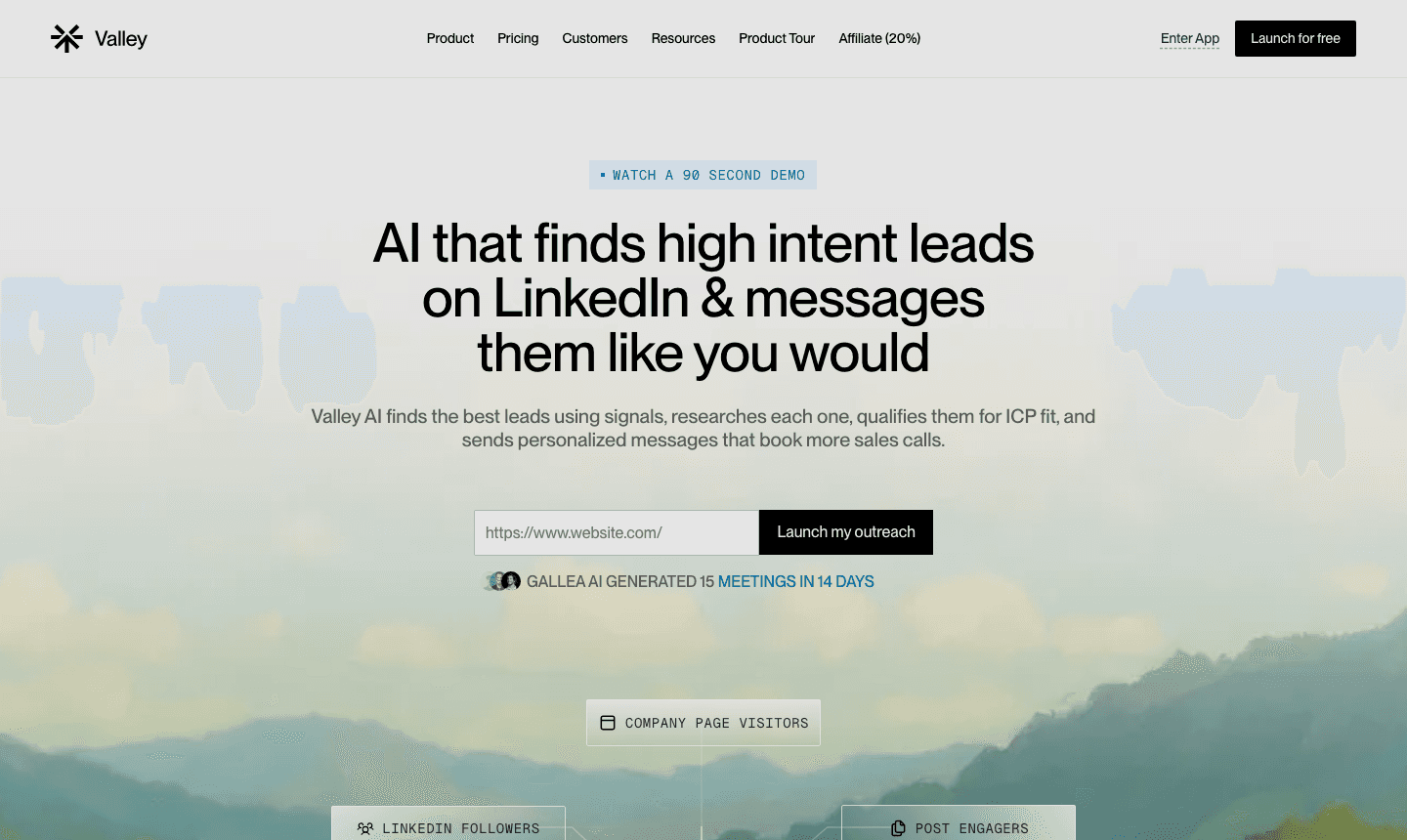
With Valley, AI tone matching captures your real voice, saving time while keeping outreach personal and safe. You get automation that sounds authentic, not automated.
This guide shows you how AI tone matching works, why it matters, and how to use it to boost replies and build trust on LinkedIn.
What Is AI Tone Matching?
AI tone matching learns your unique voice by analyzing your word choices and sentence flow. It’s not template-based; it adapts to how you naturally communicate, ensuring authentic, human-like outreach that drives engagement.
Importance Of Tone In Communication
Tone shapes how people perceive your message. When tone aligns with your personality and audience, it feels honest and trustworthy. Consistent tone builds credibility and keeps conversations warm, even at scale.
Types Of AI Tone Matching Technologies
Rule-based systems: Rely on preset rules and often sound rigid.
Machine learning models: Learn from your past messages for natural flow.
Large language models (LLMs): Generate realistic text by understanding context deeply.
Advanced AI ensures tone consistency across outreach and improves with feedback, staying aligned with your evolving communication style.
Benefits Of Personalizing Messages With AI Tone Matching
Personalizing outreach using AI tone matching enhances authenticity and relevance. It boosts engagement, builds trust, and makes each message more effective.
Enhancing Engagement
When your outreach sounds like you, people respond. AI captures your phrases and natural rhythm, preventing robotic tone. It can reference profile data, making each message timely and relevant.
Building Stronger Relationships
Tone matching builds trust from the first touch. By keeping your genuine voice intact, AI fosters authentic connections that lead to real conversations and lasting business relationships.
Improving Message Effectiveness
AI tone matching delivers messages that are clear, relatable, and personalized. With timely, tailored details, prospects recognize value quickly, leading to stronger response rates and better conversions.
Getting Started With AI Tone Matching Tools
Using AI tone matching for LinkedIn outreach makes it both personal and scalable. Choose your platform, set up a detailed profile, and integrate your messaging channels.
Choosing The Right AI Platform
Select a tool that analyzes real LinkedIn signals and matches your communication style. Look for platforms with safety controls to protect your account while automating outreach effectively.
Setting Up User Profiles
Provide writing samples - emails, messages, notes - to train AI on your tone. Add personal touches like greetings and phrases. Regularly update your profile to keep outreach natural and consistent.
Integrating With Messaging Channels
Connect your AI tool with LinkedIn or CRM for smooth workflows. Integration enables unified inboxes, synced data, and automated tracking, saving hours while keeping tone authentic.
How AI Learns And Detects Tone
AI understands your communication style by analyzing language, emotion, and context across your messages.
Natural Language Processing Basics
NLP breaks text into parts, examining grammar and patterns to replicate your tone. Without it, messages would sound generic, not human.
Always review AI-generated content for tone, accuracy, and flow. Make tweaks for authenticity and test variations to optimize engagement. For multilingual teams, this review step often needs to extend beyond English content, and tools built to humanize AI-generated Spanish content can help catch tone and fluency issues that a generic pass might miss.
Sentiment Analysis Techniques
Sentiment analysis identifies emotional tone - positive, neutral, or urgent - so AI mirrors your energy and avoids awkward or cold responses.
Training AI With User Data
AI learns from your interactions and corrections. The more feedback you provide, the sharper it becomes at replicating your natural tone while maintaining authenticity.
Customizing Messages For Different Audiences
Tailor messages to audience type and communication context. Personalized tone builds relevance and trust wherever you connect.
Segmenting Your Audience
Group prospects by role, industry, or engagement. AI segmentation ensures every message addresses specific needs, making communication meaningful and efficient.
Adapting Tone To Demographics
Different audiences prefer distinct tones. Adjusting style for executives versus younger professionals shows respect and cultural awareness, driving stronger engagement.
Maintaining Consistency Across Platforms
Keep your tone steady across LinkedIn, email, and other channels. AI ensures a consistent brand voice, so prospects recognize and trust your outreach.
Crafting Personalized Content Using AI
To personalize messages with AI effectively, focus on accurate input, consistent review, and responsible automation.
Input And Prompt Design
Provide clear prospect info, such as job title, interests, and tone. Use detailed prompts so AI can generate context-aware content that reflects your voice naturally.
Tips for input:
Add short prospect summaries.
Specify tone and purpose.
Highlight key points.
Reviewing And Fine-Tuning Output
Always review AI-generated content for tone, accuracy, and flow. Make tweaks for authenticity and test variations to optimize engagement.
Automating Responses At Scale
Once messages feel natural, automation helps send them at scale without losing the human touch. Use metrics and triggers to adapt sequences dynamically.
Measuring Success And Improving Over Time
Continuous measurement helps refine tone matching and improve outcomes.
Analyzing Engagement Metrics
Track reply, open, and conversion rates. Focus on quality conversations instead of volume. Analyze which tone styles lead to booked calls or follow-ups.
Testing And Iterating Tone Strategies
Experiment with tone, greeting, and message length. Keep your voice steady but flexible. Over time, AI adapts automatically to your preferred communication patterns.
Feedback Loops For Continuous Improvement
Use replies and performance data to refine tone and templates. Continuous learning keeps outreach relevant and authentic.
Addressing Privacy And Ethical Considerations
AI personalization requires responsible data handling, transparency, and bias control.
Protecting User Data
Protect sensitive information with encryption and compliance (GDPR, CCPA). Only use essential data. Secure data builds trust and brand integrity.
Ensuring Transparency
Be upfront about AI involvement. A short disclosure maintains honesty and gives users a choice, strengthening long-term relationships.
Avoiding Bias In AI Responses
Regularly audit your AI for biased phrasing. Retrain models if needed to ensure fairness and professionalism.
Future Trends In AI Tone Matching
AI tone matching will become more adaptive and context-aware. It will tailor messages in real time, automatically qualifying leads, and integrating with CRM tools to streamline sales workflows.
Expect smarter safety features to keep LinkedIn outreach compliant while allowing scalable personalization. Future systems will blend deeper personalization with reliability, ensuring your tone always feels human.
Turning AI Personalization Into Real Conversations
Most outreach fails because it feels cold or generic. AI tone matching fixes that, helping your messages sound real and connect faster with the right people.
With Valley, you can automate LinkedIn outreach that feels human, safe, and on-brand; no robotic tone or risky shortcuts. It’s personalization that scales without losing trust.
Start using AI to write messages that sound like you. Book a demo (teams of 5+) and see how authentic communication drives stronger replies and better results.
Frequently Asked Questions
How does AI personalize messages without sounding robotic?
AI learns your writing style, tone, and phrasing patterns to make messages sound natural. It mimics how you actually talk, so outreach feels authentic and human - not automated.
What is AI tone matching?
AI tone matching is a process that analyzes your past messages to understand your language, word choice, and tone. It then recreates that style in new outreach, keeping every message consistent and genuine.
Why is tone so important in outreach?
Tone shapes how your message is received. The right tone builds trust, shows empathy, and encourages real replies, while the wrong tone can feel cold or salesy.
How can I train AI to match my tone?
Share examples of your writing - emails, LinkedIn messages, or posts. The AI studies your vocabulary, sentence flow, and phrasing to reflect your natural communication style.
Can AI personalize LinkedIn messages safely?
Yes, if the tool respects LinkedIn’s limits and mimics real behavior. Choose platforms that focus on safety, compliance, and authenticity to avoid account risks.
What results can I expect from using AI tone matching?
You’ll save time crafting messages while improving reply rates. Authentic tone drives engagement, builds relationships, and helps convert conversations into qualified leads.
Is AI tone matching suitable for all industries?
Absolutely. Whether you’re in SaaS, recruiting, or B2B sales, tone-matched outreach helps you communicate naturally with your audience while maintaining a professional edge.
How do I start using AI tone-matching tools?
Pick a trusted AI platform, set up your tone profile, and connect it with LinkedIn or your CRM. Review early outputs to fine-tune results and keep improving as you scale outreach.