

Valley
Published:
Updated:
Published February 18, 2026 · Updated August 31, 2026
Winning clients on LinkedIn is harder than it looks. Many firms post inconsistently, attract the wrong audience, or struggle to turn views into real conversations. Strong LinkedIn marketing strategies for asset managers solve that disconnect.
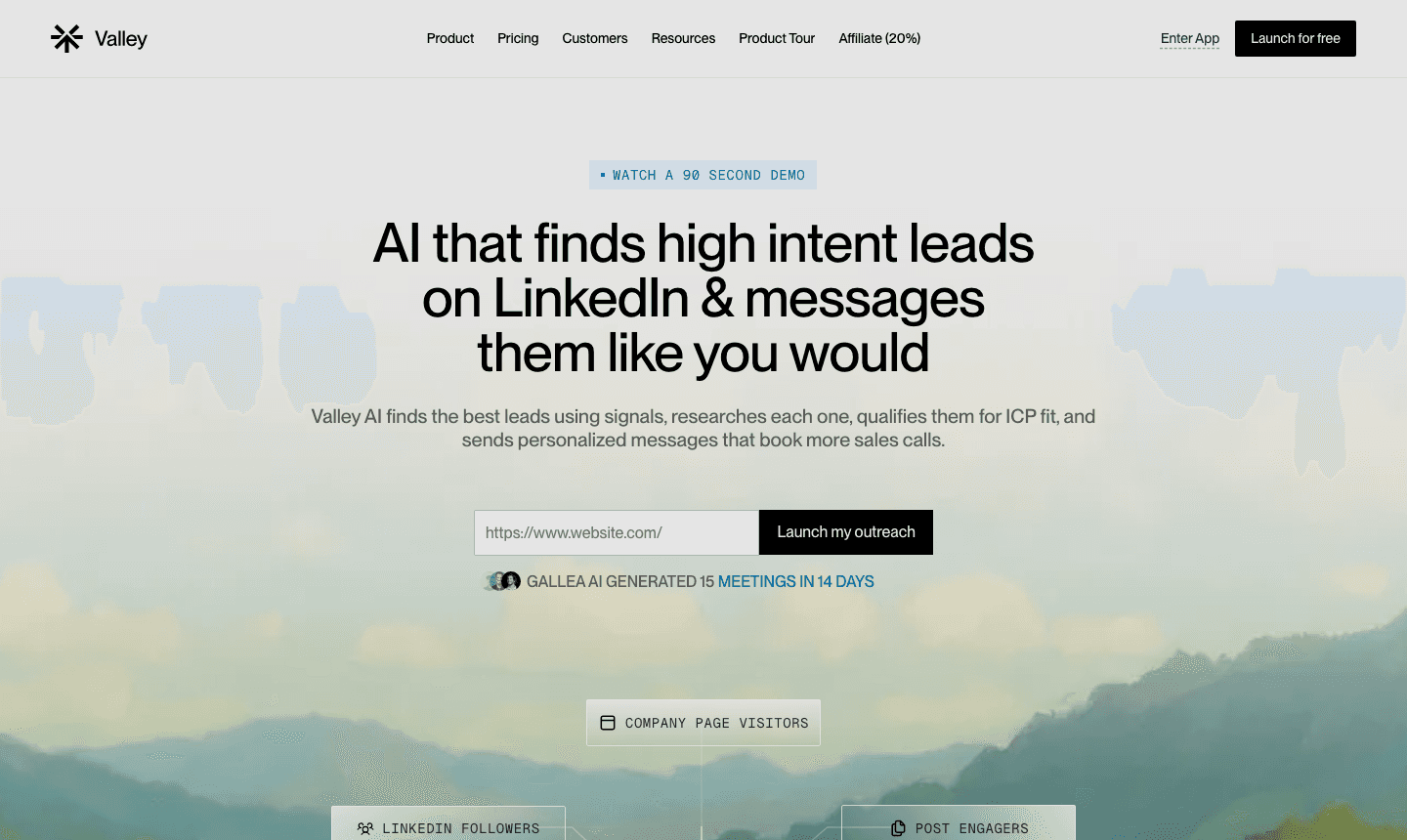
Valley helps asset managers stay consistent, compliant, and personal without adding hours of manual work. The goal is simple: build trust at scale while keeping outreach relevant and human.
In this guide, you’ll learn how to optimize your profile, create content that attracts qualified investors, and generate steady opportunities. Let’s break down what actually works and what to ignore.
Building A Strong LinkedIn Presence
Your LinkedIn presence acts as your firm’s digital storefront. It’s where potential investors form first impressions and decide whether to engage. A well-crafted profile and genuine expertise sharing lay the groundwork for meaningful relationships and stronger LinkedIn marketing strategies for asset managers.
Optimizing Company Profiles
Fill out every section of your company profile with accurate information. Use clear language in your business description to explain your investment approach and the clients you serve. Add your firm’s logo as the profile picture. Choose a professional banner image that matches your brand identity.
Include relevant keywords like “investment management,” “portfolio strategy,” or your specific focus throughout your profile. This way, investors can find you when they’re searching for services.
List your services in detail. Add case studies or white papers to your Featured section. Upload recent performance reports or market insights to show your analytical chops.
Make sure your contact information is current. Prospects shouldn’t have to dig to reach your team. Update your company specialties to match your real strategies. If you focus on ESG or alternative assets, say so right in your profile.
Showcasing Credentials And Expertise
Show off your team’s professional certifications, CFA, CFP, CAIA, and so on, front and center. These credentials instantly build credibility with investors who care about formal training.
Share original market analysis and investment insights on a regular basis. Post your thoughts on market trends, economic indicators, or sector-specific developments. Aim for content that shows your expertise, not just generic financial tips.
Publish articles outlining your investment philosophy and how you make decisions. Investors want to know how you think about risk and portfolio construction. Use real examples from your experience, but keep client details private.
Highlight your firm’s track record and any industry recognition you’ve earned. Awards, speaking gigs, or media mentions all reinforce your authority.
Maintaining A Consistent Brand Voice
Your brand voice should sound like you do in meetings with investors. If you’re analytical and data-driven, let that come through in your LinkedIn posts.
Keep your tone professional but approachable. Make complex investment concepts accessible without dumbing them down. A content calendar helps you post regularly without overwhelming followers. Two or three times a week is plenty to stay visible.
Stick to your brand’s colors and fonts in images or documents you share. Visual consistency helps investors recognize your content at a glance. Train everyone who posts for your firm to write in a similar style. Even if personalities shine through, your team should sound unified.
Content Strategy For Investment Managers
Investment managers need a content approach that shows expertise and builds trust. The right mix of thought leadership, market insights, and educational material helps you stand out with LinkedIn marketing strategies for asset managers that attract the right conversations.
Creating Value-Driven Thought Leadership
Your thought leadership should tackle real challenges your clients face. Write about market volatility, diversification strategies, or tax-efficient investing in plain English.
Share your unique perspective on economic trends. When something big happens in the market, post your analysis within a day or two, while people still care. That timing shows you’re on top of things.
Content ideas:
Market commentary and analysis
Investment philosophy explanations
Lessons from past market cycles
Predictions rooted in data
Skip the generic advice. Let your years of experience and specific knowledge shine.
Utilizing Industry-Specific Insights
Show you understand the sectors you invest in. If you manage healthcare portfolios, talk about FDA approvals, drug pipelines, or policy changes.
Data-driven insights get attention. Share charts, graphs, or simple tables to make your points. Visuals grab attention and drive engagement.
Try monthly sector reviews or quarterly market updates. Recurring posts keep your audience coming back. Case studies can be powerful if you protect client privacy. Walk through a challenge or strategic decision without giving away names.
Balancing Educational And Promotional Content
Stick to the 80/20 rule: eighty percent educational, twenty percent promotional. Educational posts might explain investment concepts, break down jargon, or walk through portfolio construction. These build credibility without asking for anything.
Promote yourself subtly. Share news about awards, new team members, or milestones, but connect it back to how clients benefit. Mix short posts (150 - 300 words) with longer articles (1,000+ words). Both can work, test, and see what your audience likes.
Effective Networking And Lead Generation
LinkedIn’s networking tools help you find qualified prospects, start good conversations, and keep relationships going. Success comes from using search tools strategically and staying engaged with both prospects and clients.
Leveraging Advanced Search Filters
Advanced search filters let you zero in on the exact clients you want. Filter by job title, company size, industry, location, and experience to build a targeted list. Sales Navigator takes this further with lead recommendations and saved searches. It costs extra, but you get InMail credits to reach people outside your network.
Define your ideal client before you start searching. If you manage portfolios for tech execs, filter for C-suite titles at tech companies in your target area. Save your searches to review new matches weekly.
Boolean operators make your filters precise. Use quotes for exact phrases, OR for multiple options, and NOT to exclude terms.
Engaging Prospective Clients
Personalized connection requests get accepted more often than generic ones. Mention something specific from their profile, a post, a shared connection, or a career milestone.
Once you’re connected, don’t pitch right away. Comment on their posts, share relevant articles, or congratulate them on achievements. These little interactions build familiarity.
Send value first. Share a market insight relevant to their industry or an article about a challenge they mentioned. Show you’re a resource, not just another salesperson.
When you reach out directly, ask thoughtful questions about their goals or challenges. Hold off on talking about your services at first.
Nurturing Existing Relationships
Current clients and past connections need regular attention to stay top of mind. Set reminders to check in quarterly with valuable contacts, even if you’re not working together right now.
Share their company news or congratulate them on promotions. These small gestures maintain the relationship without eating up your time.
Keep track of your key relationships:
Tier 1: Current clients, engage monthly
Tier 2: Warm prospects, engage every 2 - 3 months
Tier 3: Cold prospects, engage quarterly
LinkedIn’s anniversary and birthday notifications give you easy reasons to reconnect. A quick message on these occasions keeps you visible without feeling pushy. Consider exclusive content for your closest connections. Maybe early access to market commentary or invites to private virtual events.
LinkedIn Advertising Solutions
LinkedIn’s paid ads let you reach decision-makers and high-net-worth individuals who fit your client profile. The targeting options and professional data here are tough to beat.
Crafting Targeted Sponsored Content
Sponsored content pops up right in your target audience’s LinkedIn feed. It feels natural, not like a pop-up ad.
Promote articles, videos, or carousel posts that showcase your insights and analysis. Pick campaign objectives that match your goals. Brand awareness campaigns help you reach new professionals. Lead generation campaigns have built-in forms to collect contact info without making users leave LinkedIn.
Focus your ad creative on providing value, not a hard sell. Share insights, explain strategies, or highlight your unique approach. Keep the messaging clear and direct.
Test different ad formats. Single-image ads are great for quick tips or announcements. Video ads let you explain complex concepts in a more engaging way. Document ads let you share white papers or research reports directly.
Building Matched Audiences
Matched audiences let you target specific groups based on their connection to your firm. Upload email lists of prospects or clients to create custom audiences.
Account-based marketing is powerful when you want to reach employees at certain companies. Upload a list of target firms, and LinkedIn will show your ads to decision-makers there. This works especially well for institutional managers chasing pension funds or corporate clients.
Website retargeting keeps you in front of people who already visited your site. Install the LinkedIn Insight Tag, then create ads just for those visitors. Tailor messages based on what pages they saw.
Lookalike audiences help you find new prospects similar to your best clients. LinkedIn analyzes your audience and finds professionals with similar roles and backgrounds.
Analyzing Campaign Performance
LinkedIn’s Campaign Manager gives you detailed metrics on who sees and clicks your ads. You’ll see breakdowns by job title, company size, industry, and more.
Track your cost per click (CPC) and click-through rate (CTR) to measure engagement. Investment management ads usually see CTRs between 0.4% and 0.6%, but it varies.
Monitor your conversion metrics to see what happens after someone clicks. Set up conversion tracking to see how many fill out forms, download resources, or schedule consultations. Figure out your cost per lead by dividing total ad spend by the number of qualified leads.
Compare performance across audience segments. Maybe CFOs engage more with certain topics than CEOs, or smaller companies convert better. Use these insights to tweak your targeting and creative next time.
Measuring Success And Refining Strategies
Investment managers need clear metrics and regular analysis to figure out what’s working on LinkedIn. Data-driven tweaks lead to better engagement and smarter marketing, strengthening LinkedIn marketing strategies for asset managers over time.
Tracking Key Metrics
Focus on metrics that tie directly to your business goals. Engagement rate shows how many people interact with your content, likes, comments, and shares. This tells you if your insights resonate.
Profile views and search appearances show how visible you are to prospects and peers. Track them weekly to spot trends. Connection growth rate matters because new connections expand your reach. Click-through rates on posts reveal which topics spark the most interest.
Follower demographics help you check if you’re reaching the right decision-makers. Watch your InMail response rate if you’re using messaging for outreach. Over 10% is pretty solid for investment services.
Utilizing LinkedIn Analytics
LinkedIn’s built-in analytics give you a window into your performance. The Visitors section shows who checked out your profile in the past 90 days, including their job titles and companies.
Content analytics breaks down each post’s performance, impressions, unique viewers, and engagement rates. Compare your top posts to spot what’s working.
Follower analytics reveals demographics like seniority, industry, and location. Use this to tailor future content. Check your analytics every week. Download monthly reports to track long-term trends.
Continuous Improvement And Adaptation
Let your metrics guide your changes. If educational content about diversification gets more engagement than promotional posts, do more of that. If posts with charts outperform text-only updates, add more visuals.
Test different posting times. Investment professionals often check LinkedIn early in the morning or at lunch.
A/B testing helps you refine things. Try two headlines for similar content and see which gets more clicks. Mix up post lengths and formats.
Stay flexible. If you learn your audience loves video explainers, give them more of that. Don’t be afraid to shift tactics as you figure out what works.
Make LinkedIn A Predictable Growth Channel
Most asset managers struggle with consistency, visibility, and turning engagement into real investor conversations. Without a clear plan, LinkedIn becomes noise instead of a pipeline.
Strong LinkedIn marketing strategies for asset managers combine positioning, valuable content, and focused outreach. With Valley, you can streamline execution while keeping messaging personal and compliant.
If you’re ready to turn profile views into qualified opportunities, start refining your strategy today. Build a system, track what works, and commit to consistent action.
Frequently Asked Questions
What Are The Most Effective LinkedIn Marketing Strategies For Asset Managers?
The most effective LinkedIn marketing strategies for asset managers focus on positioning, credibility, and consistency. That means a fully optimized profile, clear messaging, and content that speaks directly to your ideal investor.
Posting market insights, explaining your investment philosophy, and engaging with decision-makers builds trust over time. When combined with targeted outreach, this approach turns visibility into qualified conversations.
How Often Should Asset Managers Post On LinkedIn?
Consistency matters more than volume. For most firms, posting two to three times per week is enough to stay visible without overwhelming your audience. Pair that with daily engagement in the comments of your network. Thoughtful interactions often drive more profile views and connection requests than posting alone.
What Type Of Content Attracts High-Quality Investors?
High-quality investors respond to clear thinking and practical insight. Market commentary, portfolio strategy breakdowns, and risk management explanations perform well when written in plain language.
Educational posts that answer common investor questions also build credibility. Focus on value first, and let promotion remain secondary.
How Can Asset Managers Generate Leads Without Sounding Salesy?
Start by building familiarity before making any direct offer. Engage with prospects’ content, reference shared interests, and send personalized connection requests. When you do reach out, lead with insight instead of a pitch. Sharing a relevant observation or asking a thoughtful question keeps the conversation natural and professional.
Are LinkedIn Ads Worth It For Asset Managers?
LinkedIn ads can be effective when targeting is precise and messaging is value-driven. Sponsored content and lead generation forms help you reach decision-makers outside your network.
Start with a clear objective, test different creatives, and measure cost per qualified lead. With the right strategy, paid campaigns can complement your organic LinkedIn marketing strategies for asset managers.